
DJI Dock 4
Automatic battery swapping. Ready for the next mission.
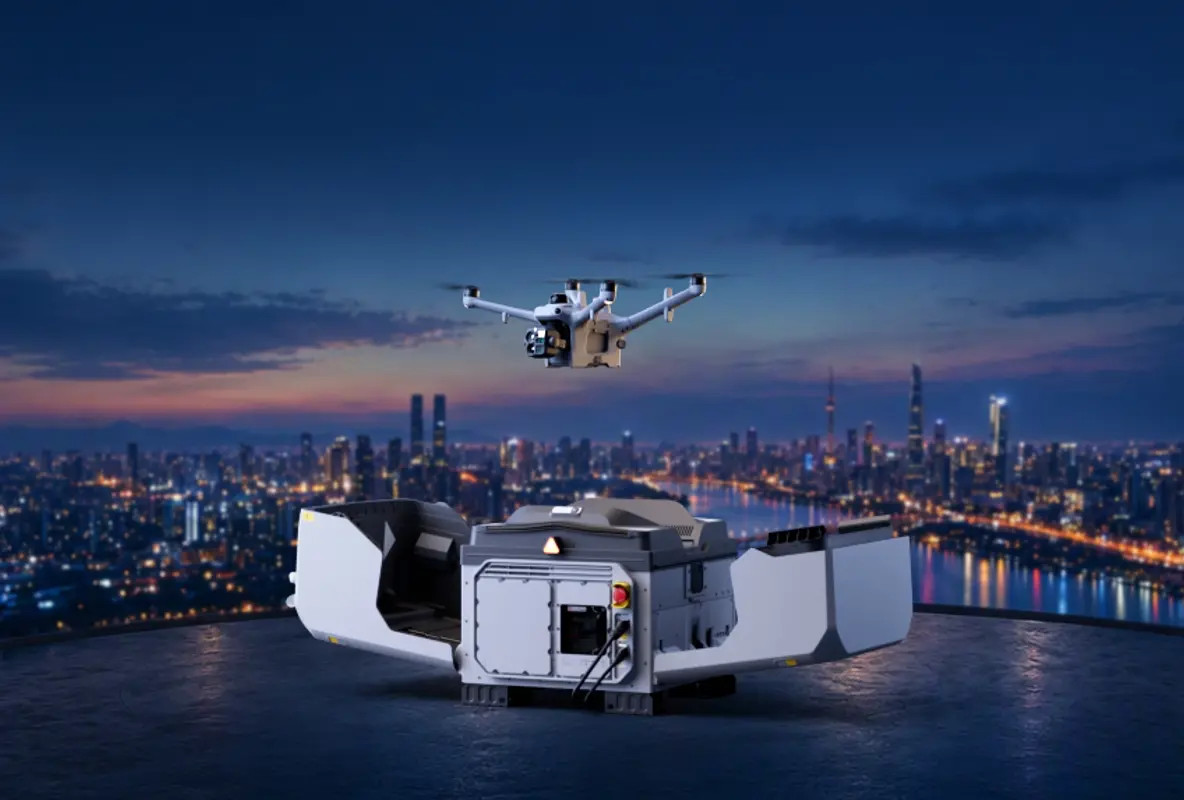
DJI Dock 4 is a new-generation autonomous drone station designed for DJI Matrice 5TD. Automatic battery swapping reduces downtime between missions, while DJI FlightHub 2 supports remote flight planning, live monitoring and field-data management.
Türkçe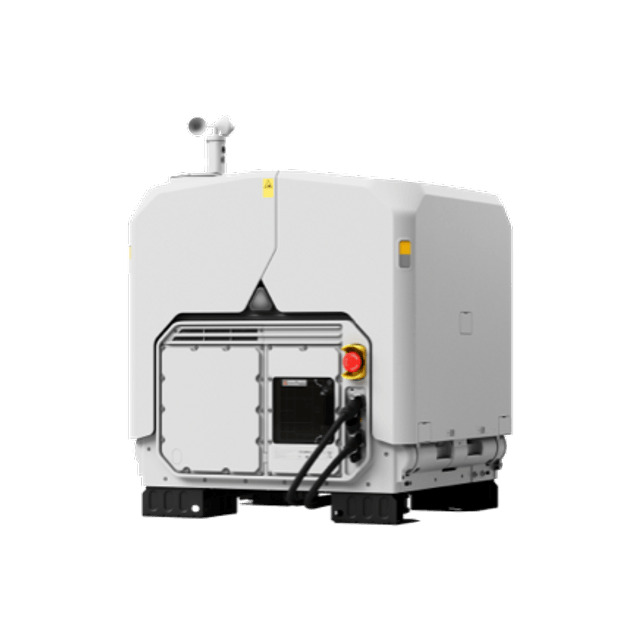
You can turn on sound in the player. · Watch on YouTube
- Automatic battery swap¹
- <25 s
- Matrice 5TD maximum flight time²
- 59 min
- Dock 4 ingress protection
- IP56
- Dock operating temperature
- −40 / +50 °C
Less downtime between missions
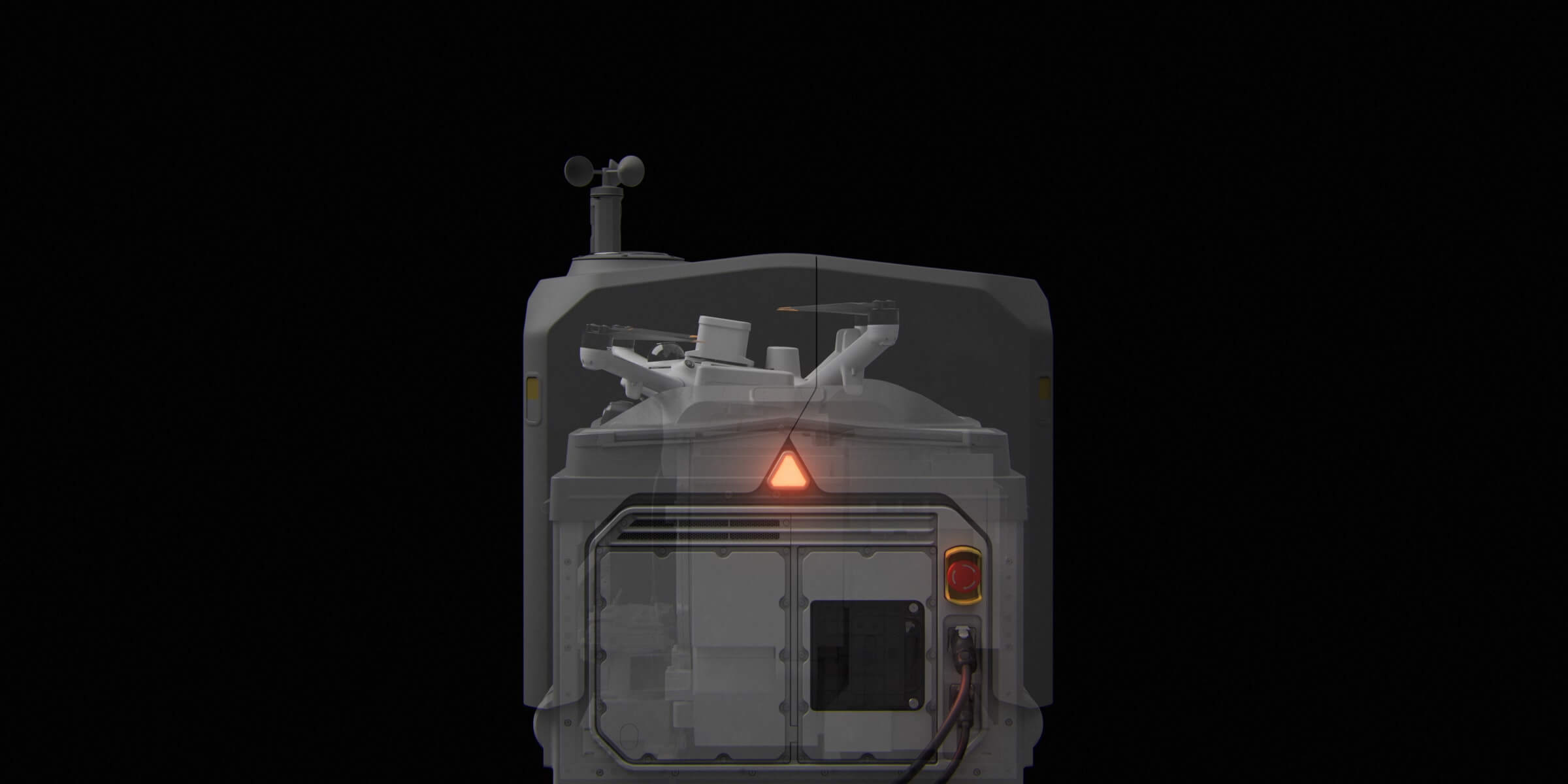
Automatic battery swapping prepares the aircraft for its next assignment with a charged battery, reducing the need to wait for a recharge after every flight.
Automatic swaps in under 25 seconds
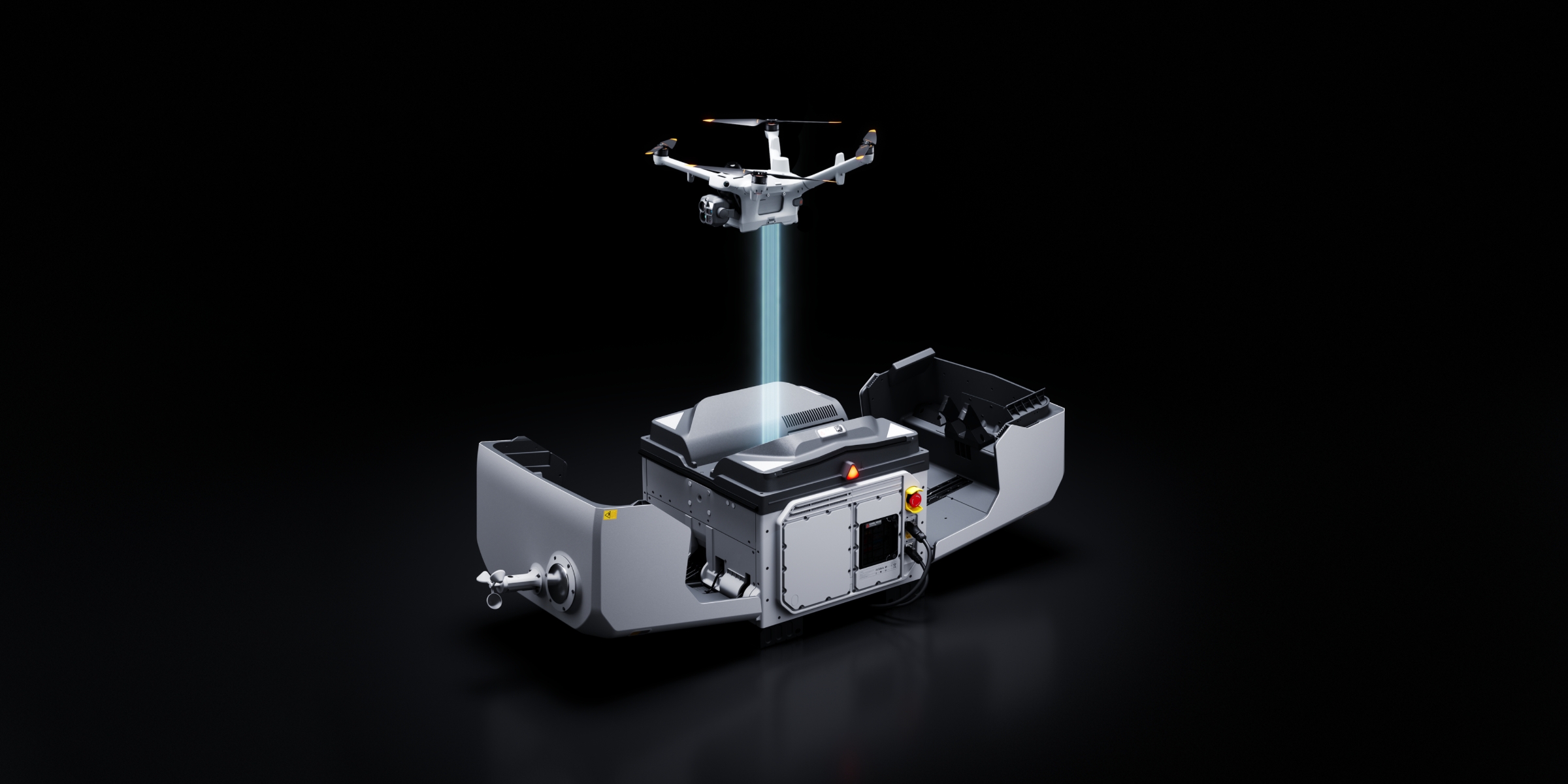
Under controlled test conditions, the battery swap takes less than 25 seconds after the cover fully closes. Total landing-to-takeoff turnaround is under 45 seconds. Data from the previous flight can transfer to the dock during the swap.¹
Rapid dispatch after an alert
A remote command opens the cover and dispatches the aircraft. FlyTo tasks support speeds up to 21 m/s for a direct route to the incident. Maximum speed in other flight modes is 15 m/s.
Up to 59 minutes of flight
Matrice 5TD achieves a maximum of 59 minutes without a payload under DJI’s specified laboratory conditions. Mission planning must account for return reserves, wind, payload and battery condition.²
Two-aircraft task relay
Two aircraft within a FlightHub 2 project can alternate between designated points. Keeping one ready while the other flies supports extended situational awareness during incident monitoring and emergency response.
Parallel charging and climate control
Three of the four compartments can store batteries, leaving one free for swapping. Two parallel charging channels prepare spare batteries. Compressor-based cooling and cold-weather preheating support a dock operating range of −40 °C to +50 °C.
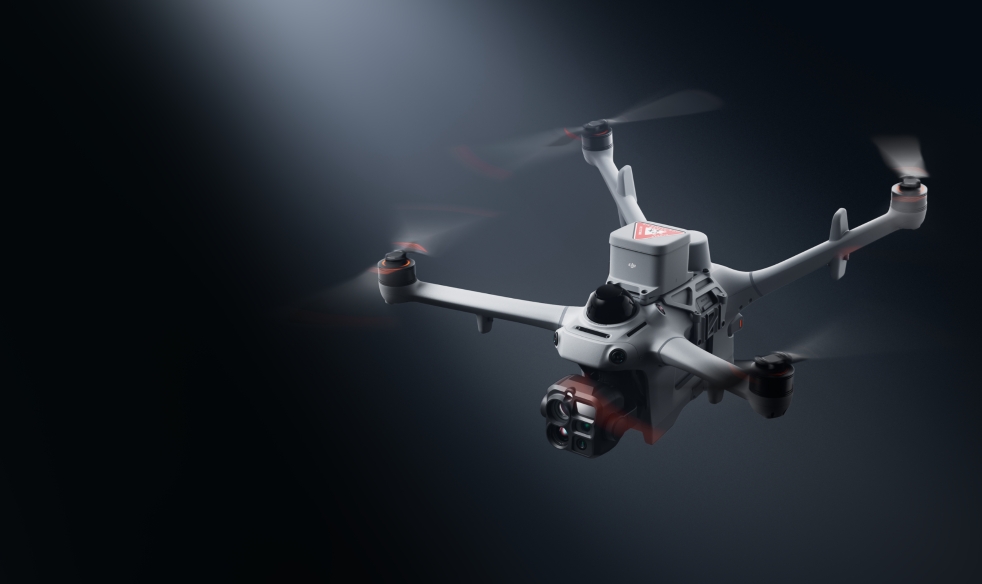
DJI Matrice 5TD imaging by day, at night and in thermal
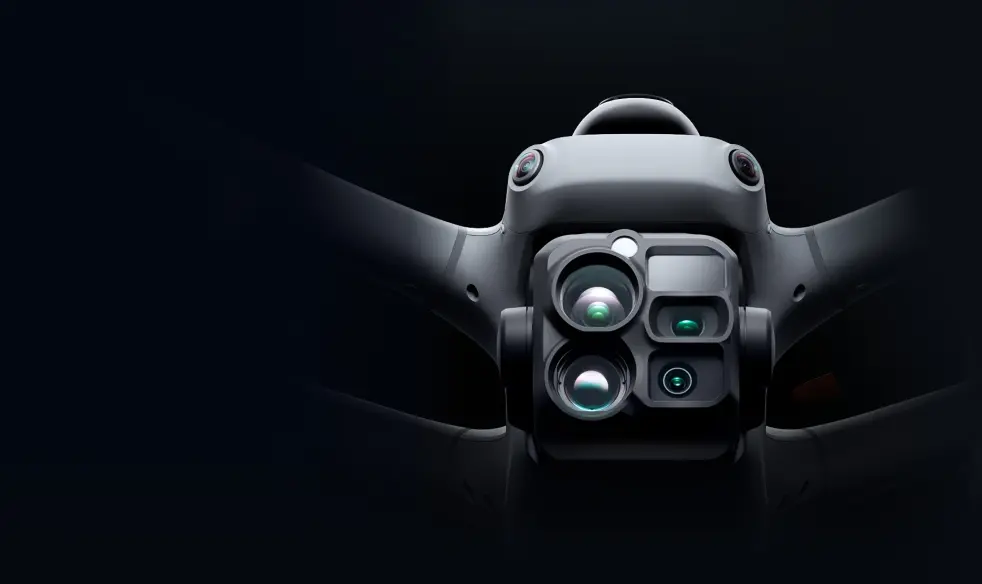
Wide-angle, medium tele, telephoto and thermal cameras combine with laser ranging and night vision, allowing one aircraft to serve multiple mission types.
Three 50 MP visible-light cameras
Equivalent focal lengths of 23.5 mm, 70 mm and 252 mm provide wide-area context and distant detail. The 11× telephoto camera supports stand-off inspection of powerlines, facilities and structural components.
1280 × 1024 native thermal resolution
Thermal imaging reveals hotspots and heat patterns, with spot and area temperature measurements. UHR mode produces 2560 × 2048 output. 2K recording and 32× thermal zoom are separate from the sensor’s native resolution.
Visible and thermal image fusion
Edge and overlay modes combine structural outlines with thermal information in one view. Operators can assess the scene without repeatedly switching between independent camera feeds.
Full-colour night vision and NIR support
Low-light 4K colour imaging can reveal the environment without activating the spotlight under suitable conditions. Near-infrared auxiliary illumination also supports black-and-white night vision.
Laser ranging up to 3 km
Range measurements extend to 3000 m under suitable target and visibility conditions. Distance information and PinPoint coordinates can be overlaid on the feed to support rescue, wildfire assessment and powerline inspection.
Mapping and surveying
DJI reports 10 cm aerial-triangulation checkpoint accuracy using 12 MP wide-angle images at 120 m altitude in its specified RTK-assisted test setup. This is not a guaranteed positioning accuracy for every site; overlap, lighting, surfaces and processing all matter.⁴
Payloads configured for the mission
With compatible mounting hardware, Matrice 5TD supports up to 450 g of payload. Side PSDK interfaces and the top mount allow different mission equipment to be combined.
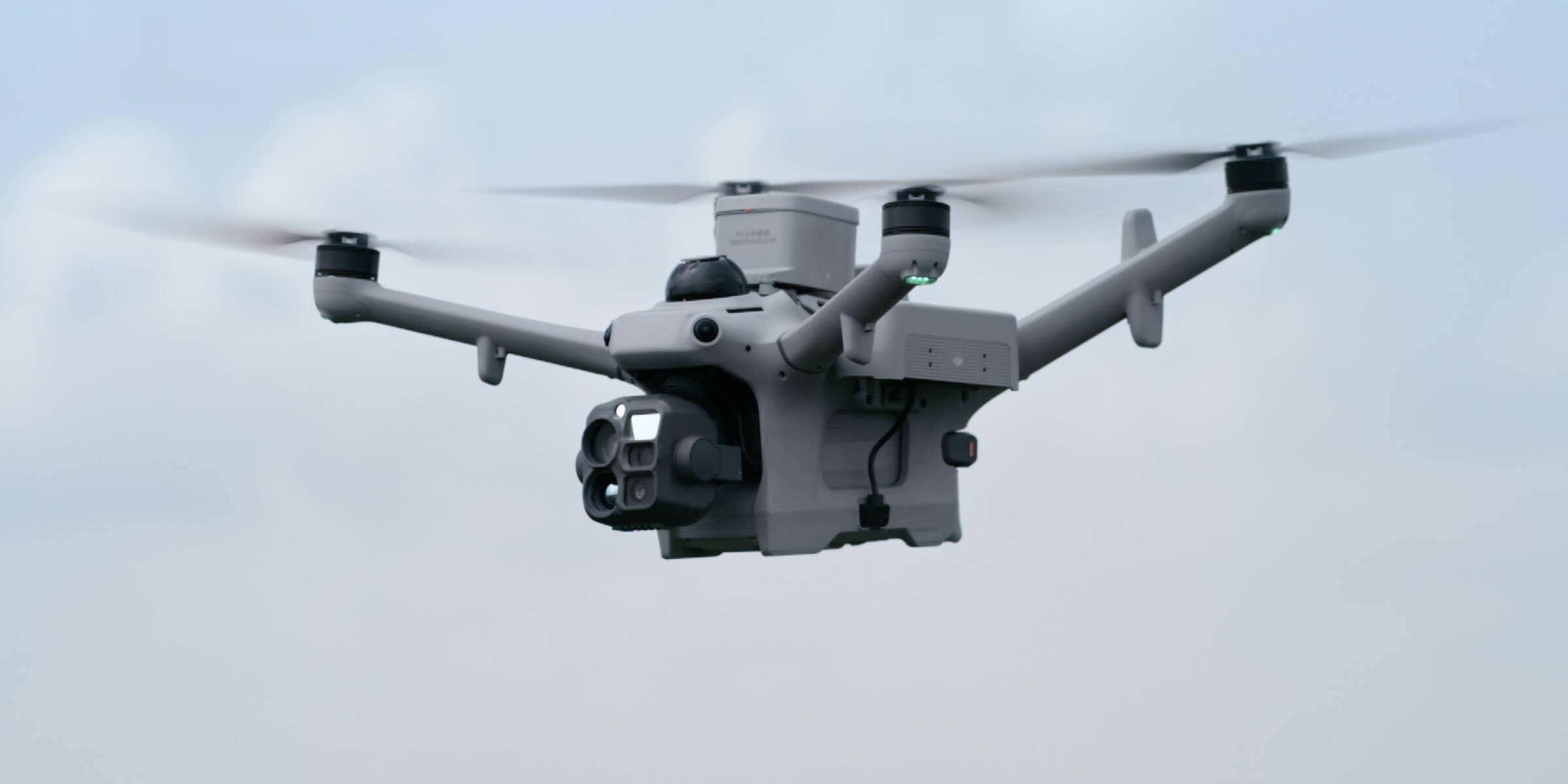
Speaker, spotlight and parachute
Compatible combinations support aerial announcements, nighttime illumination and ground-risk mitigation on the same flight. The Matrice 5TD Accessory Mount is required; some accessories are sold separately.
Customisable warning light
The integrated warning light offers selectable colours and flash patterns. Operators can provide mission-specific visual signals without fitting an additional light.
Plan for accessory effects
Additional equipment can affect flight time and sensing. Activating the spotlight disables visual obstacle sensing; mmWave radar and LiDAR remain active, but omnidirectional sensing performance is reduced.⁵
Multi-sensor awareness and flight safety at complex sites
Three-directional millimetre-wave radar, rotating LiDAR and six-directional vision complement one another. Together they provide additional environmental awareness around energy facilities, thin obstacles and low-light scenes.
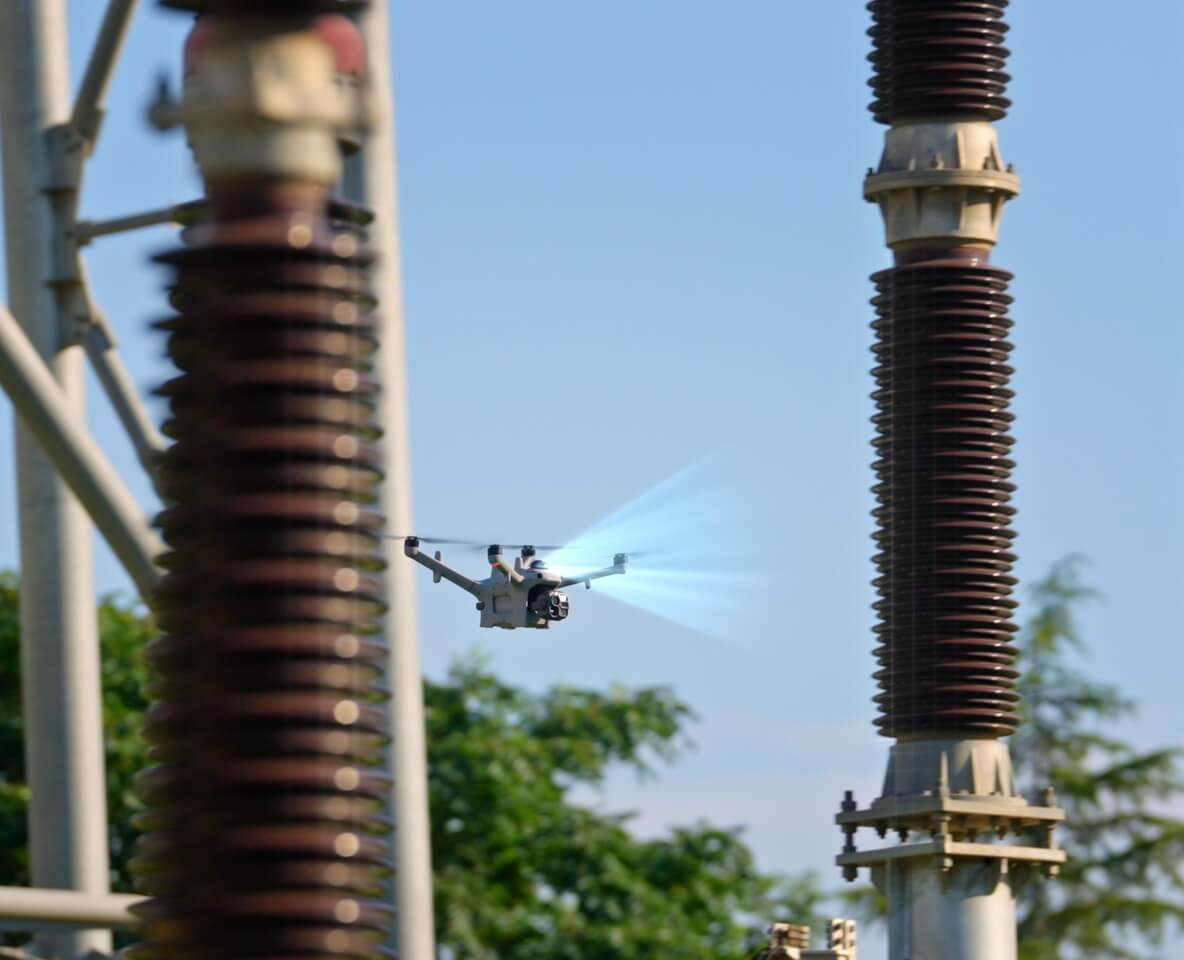
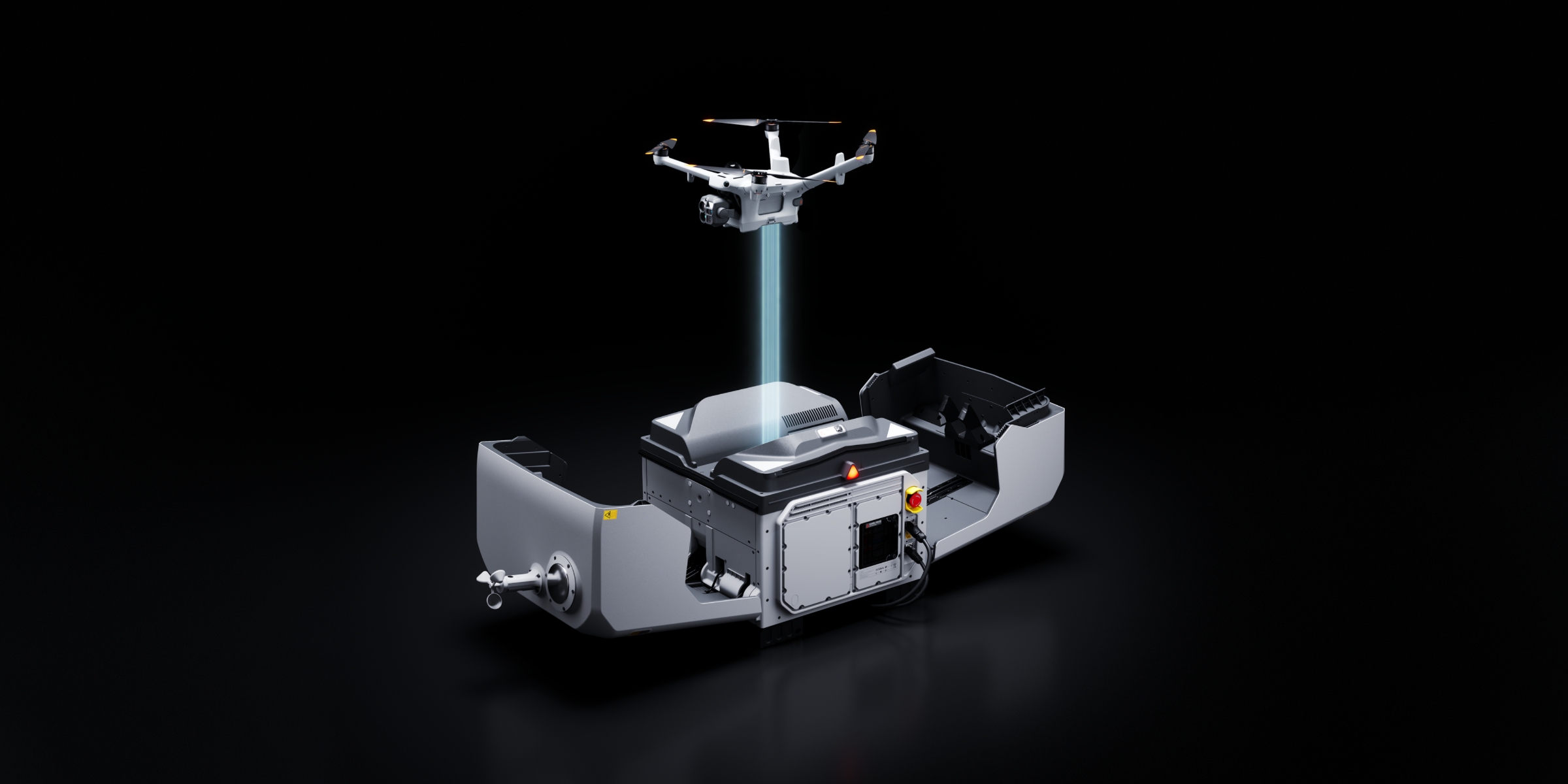
Sensing thin obstacles
DJI specifies sensing of 11 mm black rubber-insulated wires under defined conditions. Fog, precipitation, material and obstacle position affect performance; this is not a guarantee of avoiding every cable.⁵
Six-directional low-light vision
Six high-resolution fisheye cameras monitor the surroundings. The system changes to black-and-white mode below 12 lux. Active avoidance of fast-moving objects is not supported, so flight risk still needs to be managed.
LiDAR and visual SLAM
LiDAR and visual SLAM work alongside interference- and spoofing-resistance algorithms to support operation in challenging environments. Regional frequency rules and conditions may limit mmWave functionality.
Parachute and flight termination
The compatible DJI AP1 system offers independent power, redundant links, automatic or manual deployment and flight termination. DJI’s C5/C6 and UK5/UK6 statements depend on the specified equipment and operating conditions; they do not replace local flight authorisation.
Warnings about nearby aircraft
ADSB and supported RID/OID signals help display compatible crewed aircraft and selected DJI models on the FlightHub 2 map. Operators must not assume that all air traffic is detected.
Descending return in high winds
Wind resistance up to 12 m/s and High-Wind Descent RTH provide additional options when winds increase during return. The aircraft can descend and continue home under suitable conditions; operators remain responsible for route and environmental safety.
Connectivity and deployment with O4 Ground Station
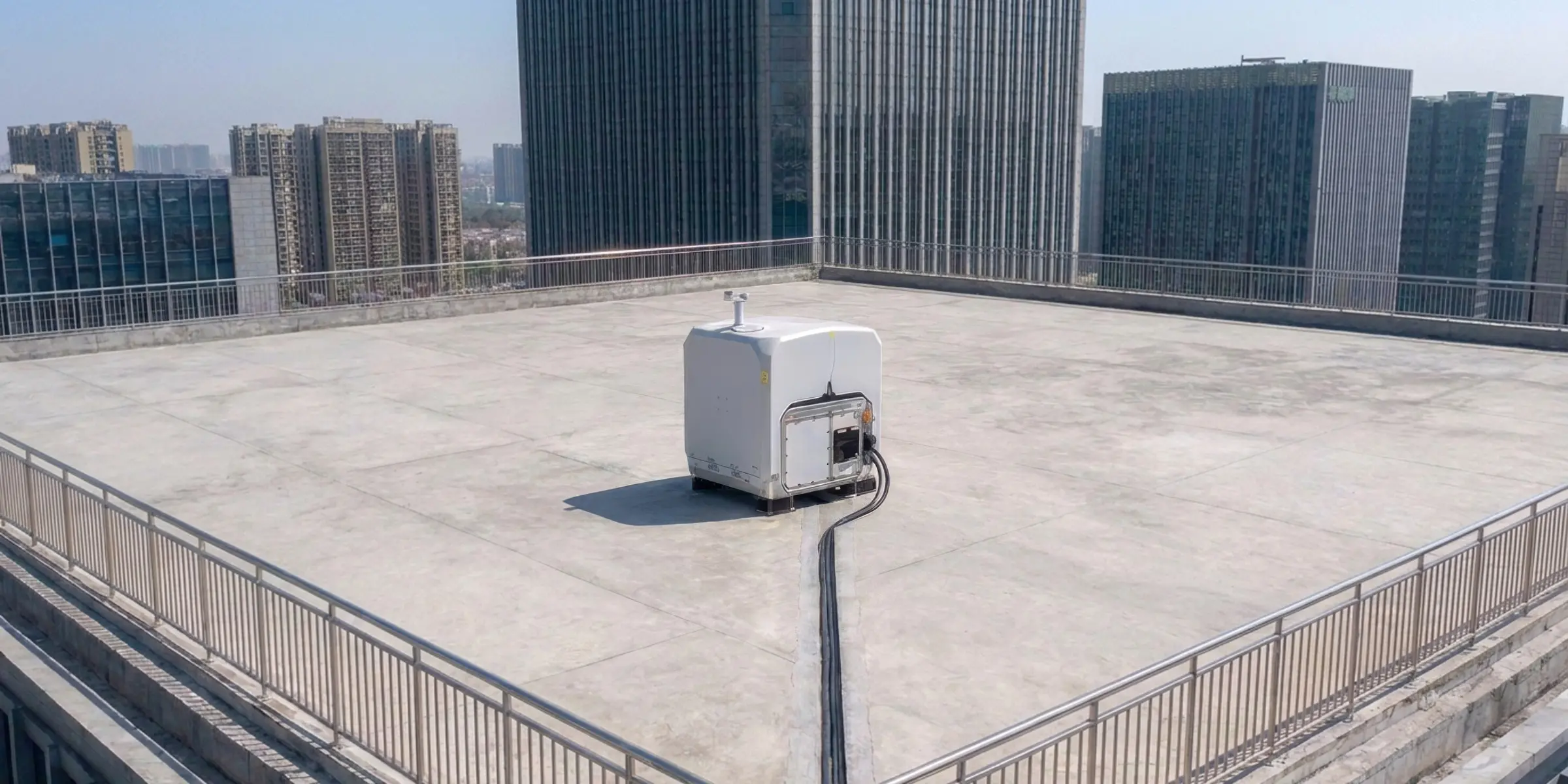
Dock 4 must be used with DJI O4 Ground Station for communications, network access and RTK functions. Choosing the right ground-station location is as important as positioning the dock.
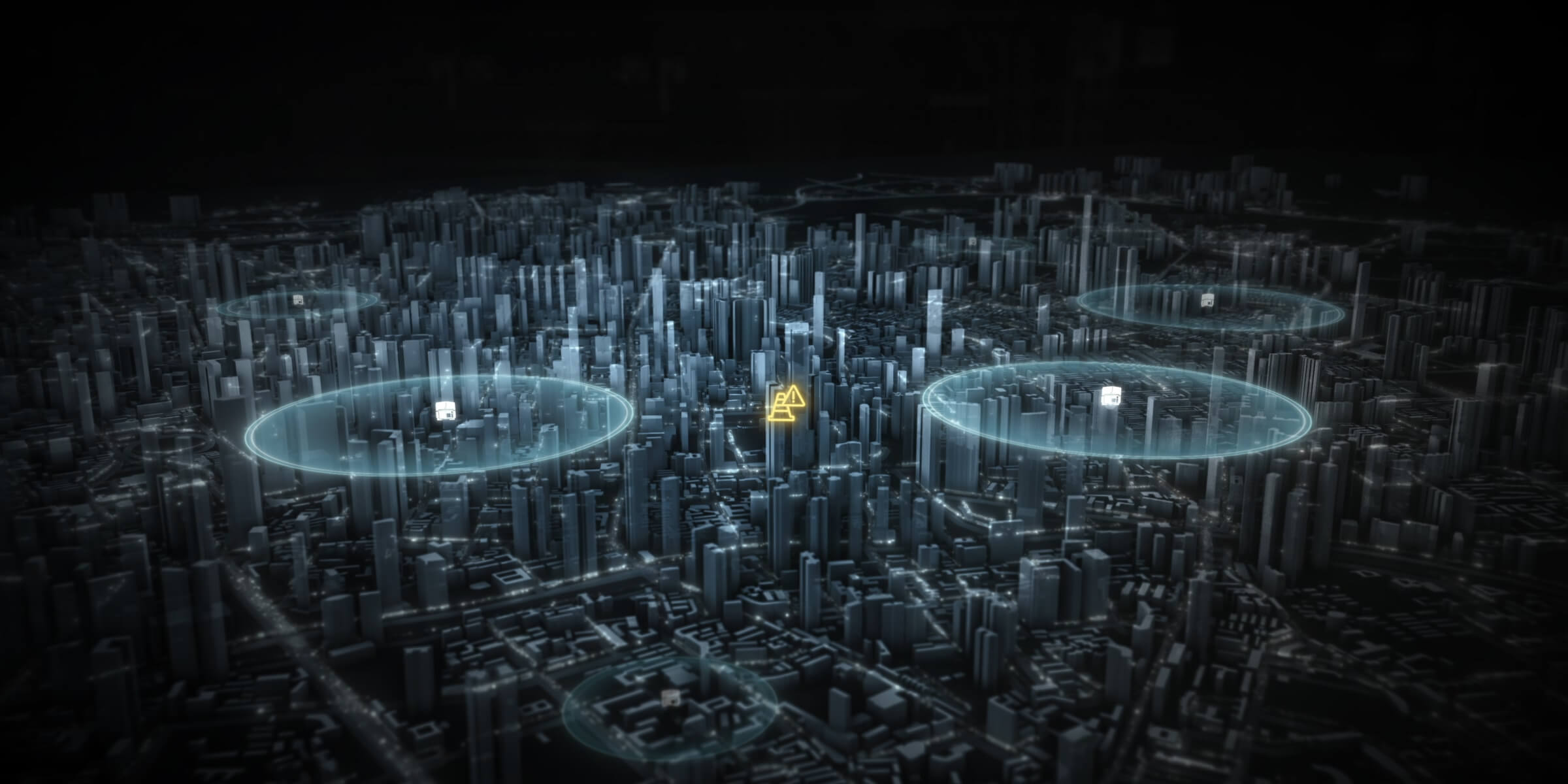
Low-latency live video
DJI reports approximately 160 ms aircraft-to-cloud video latency under suitable network conditions. Actual latency depends on internet connectivity, network load and computer performance.
Multiple communications options
Dual 4G modules, regionally permitted sub2G transmission and an elevated O4 Ground Station provide additional connectivity options. Cellular availability and permitted frequencies vary by country and must be assessed before deployment.
High-speed flight-data transfer
High-speed Wi-Fi transfer can start after landing. DJI reports up to 80 MB/s for large files under specified laboratory conditions; small-file transfers can be slower. The supplied SD card is required.³
Roaming between ground stations
Multi-Station Roaming supports connection handover between O4 stations. Coverage for large or obstructed sites should be designed around an on-site survey.
Deployment near buildings
Installing O4 in an open, elevated location can improve connectivity. Near-high-rise deployment has regional coverage limitations; DJI currently cites support mainly across Asia Pacific. Applicability in Türkiye must be confirmed before deployment.
Vehicle deployment: announced for later
Mobile vehicle-mounted deployment is announced for the first half of 2027 and is not presented as a currently available feature. The planned workflow requires the vehicle to be parked for takeoff and landing, plus dedicated mounting hardware and relevant firmware.
AI-assisted workflows from detection to reporting
FlightHub 2 and Matrice 5TD can connect detection, mission triggers, analysis and reporting within one operational workflow. Availability depends on software edition, licensing and integration.
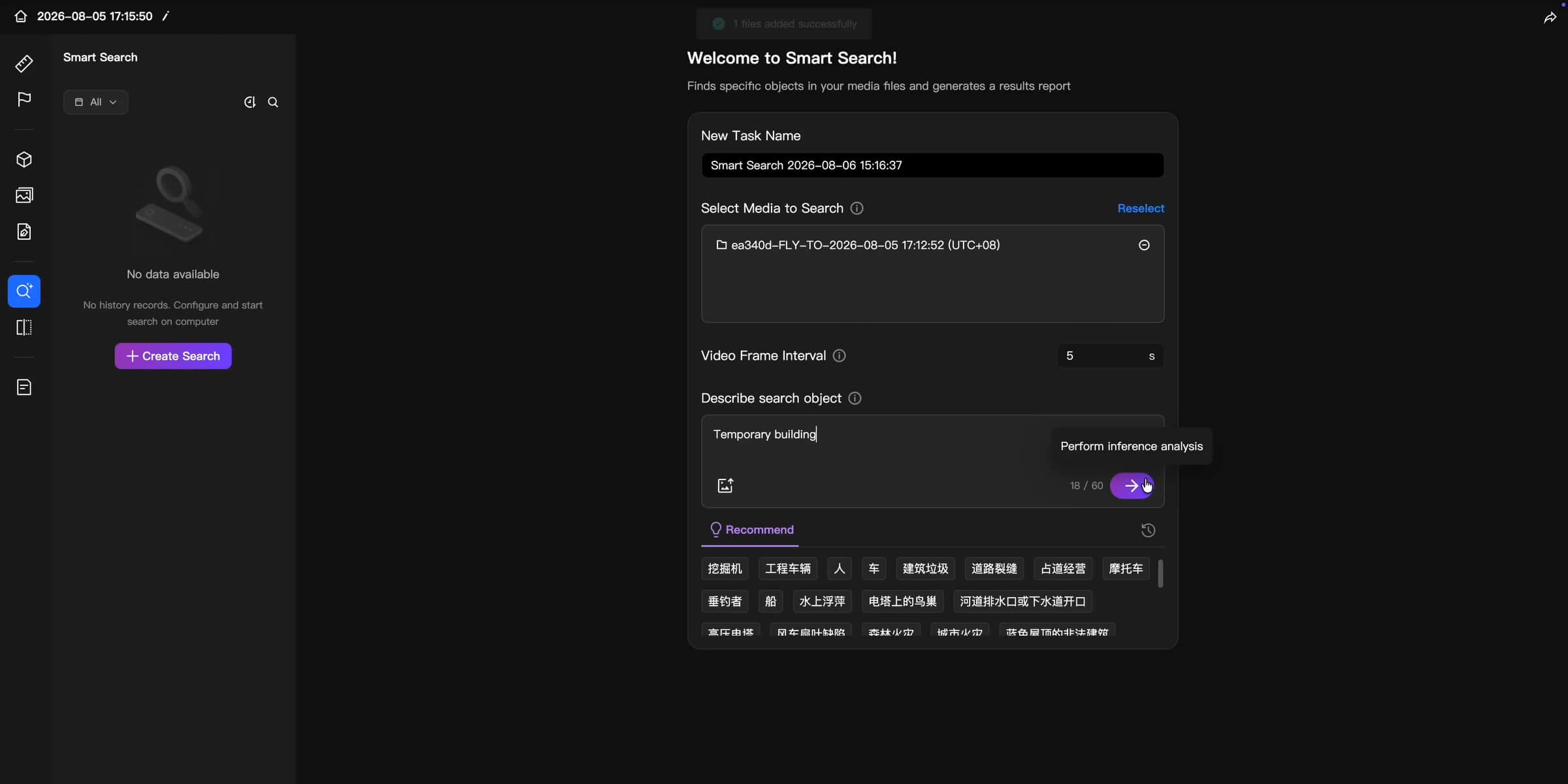
17 object types on board
Matrice 5TD supports real-time detection of 17 object types in the live feed, thermal hotspot detection and supported third-party AI models.
Search with text or an image
Multimodal search in the Virtual Cockpit allows operators to describe a target in words or provide an example image. Compatible AI workflows can use the results to generate alerts.
From alerts to configured actions
Defined events can trigger SMS, email or platform notifications together with snapshots, recording, tracking or hovering. The workflow is configured around the organisation’s operating rules.
FlightHub 2 Copilot
Natural-language input can assist flight commands, route preparation and scheduled tasks. Mission design and operator oversight remain part of the workflow alongside the AI interface.
Triggered and recurring missions
Third-party incident alerts can initiate DFR workflows, while recurring tasks can collect data at set intervals. Collection, modelling, analysis and reporting can be linked together.
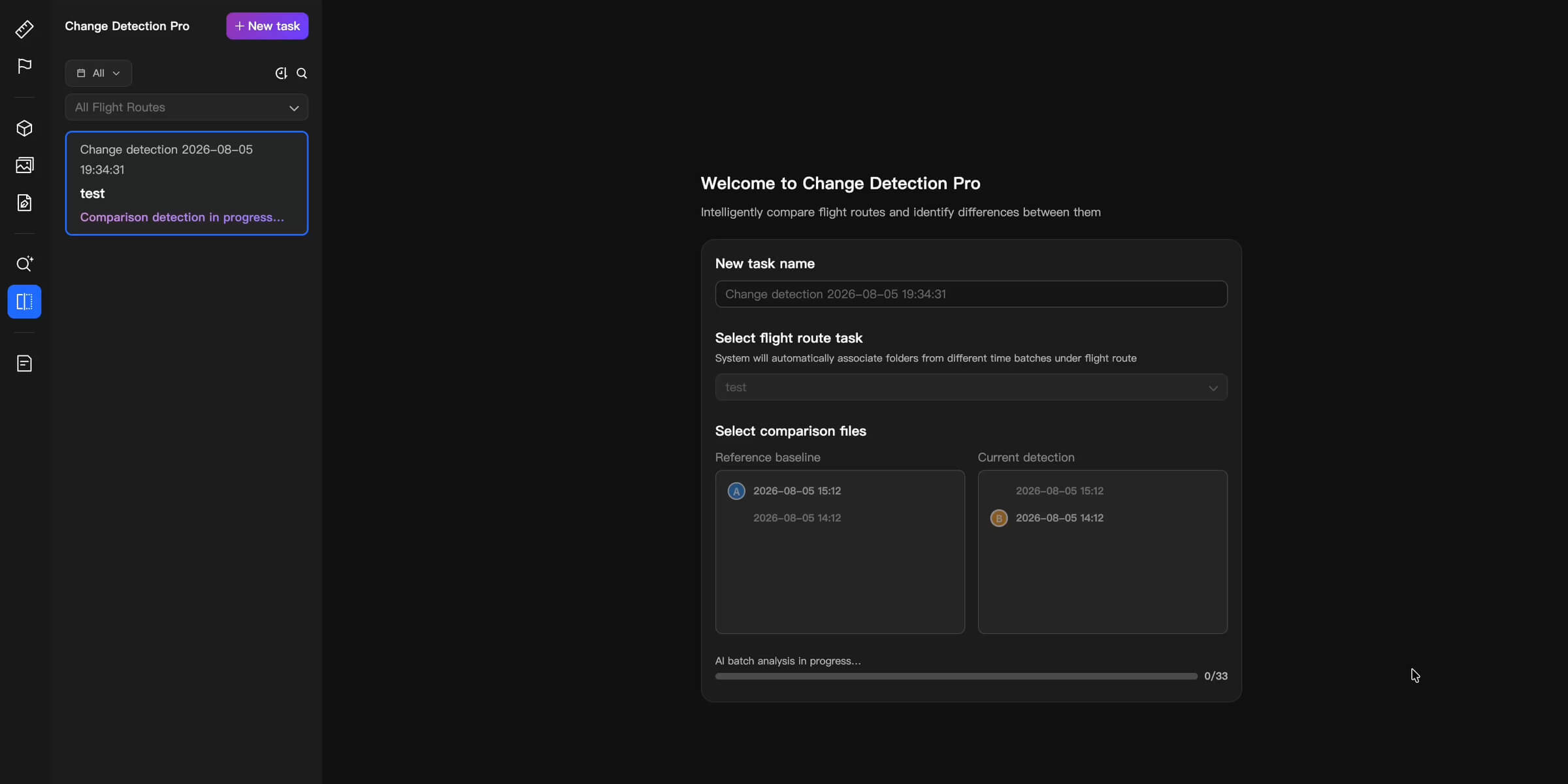
Smart Detection and Change Detection Pro
New imagery can be compared with historical aerial photos or 3D models. Findings such as facility damage, ground changes or new structures can be marked and reported for operational review.
FlightHub 2: one management environment from setup to upkeep
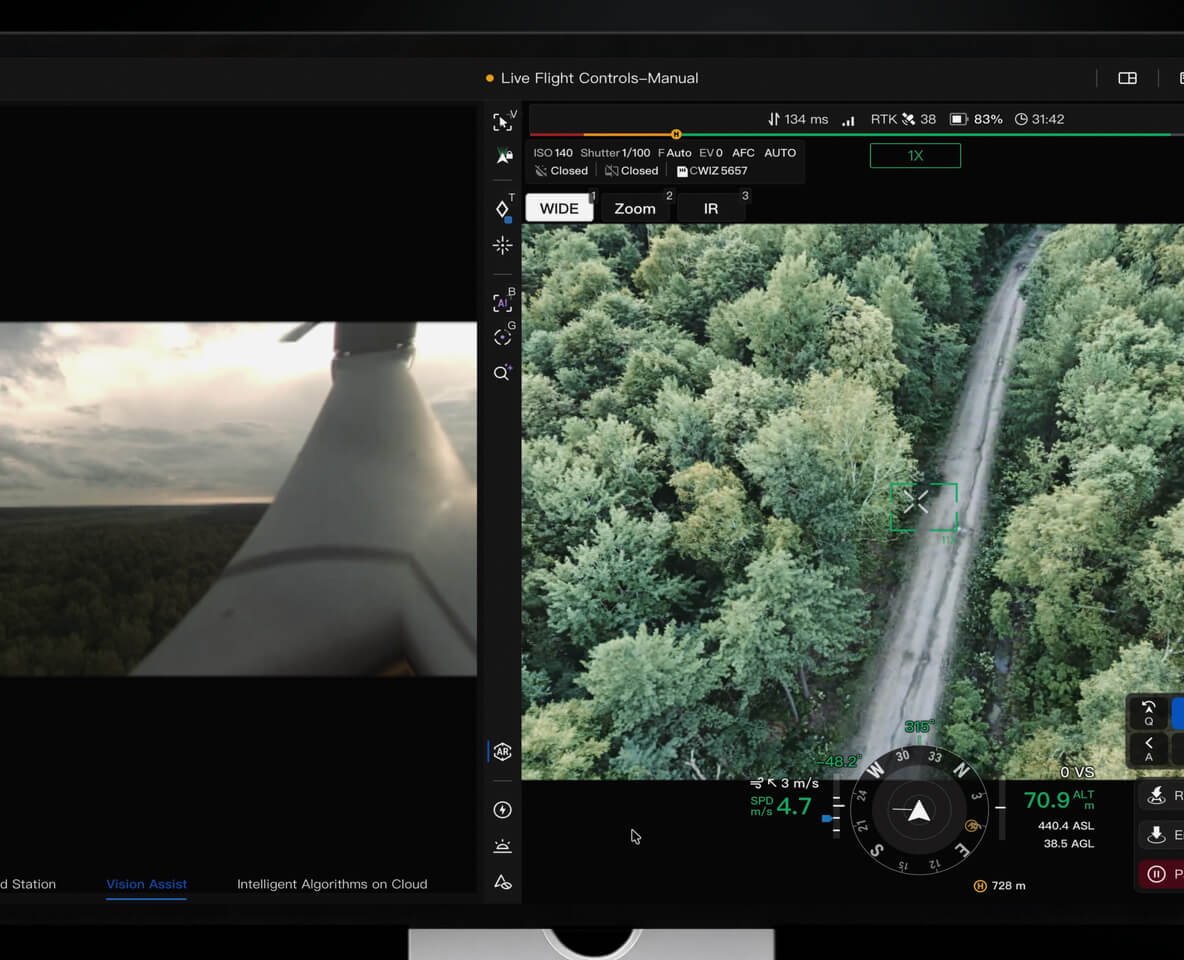
Beyond remote flight, FlightHub 2 brings together route planning, multi-channel live video, air-ground coordination, data management and equipment maintenance.
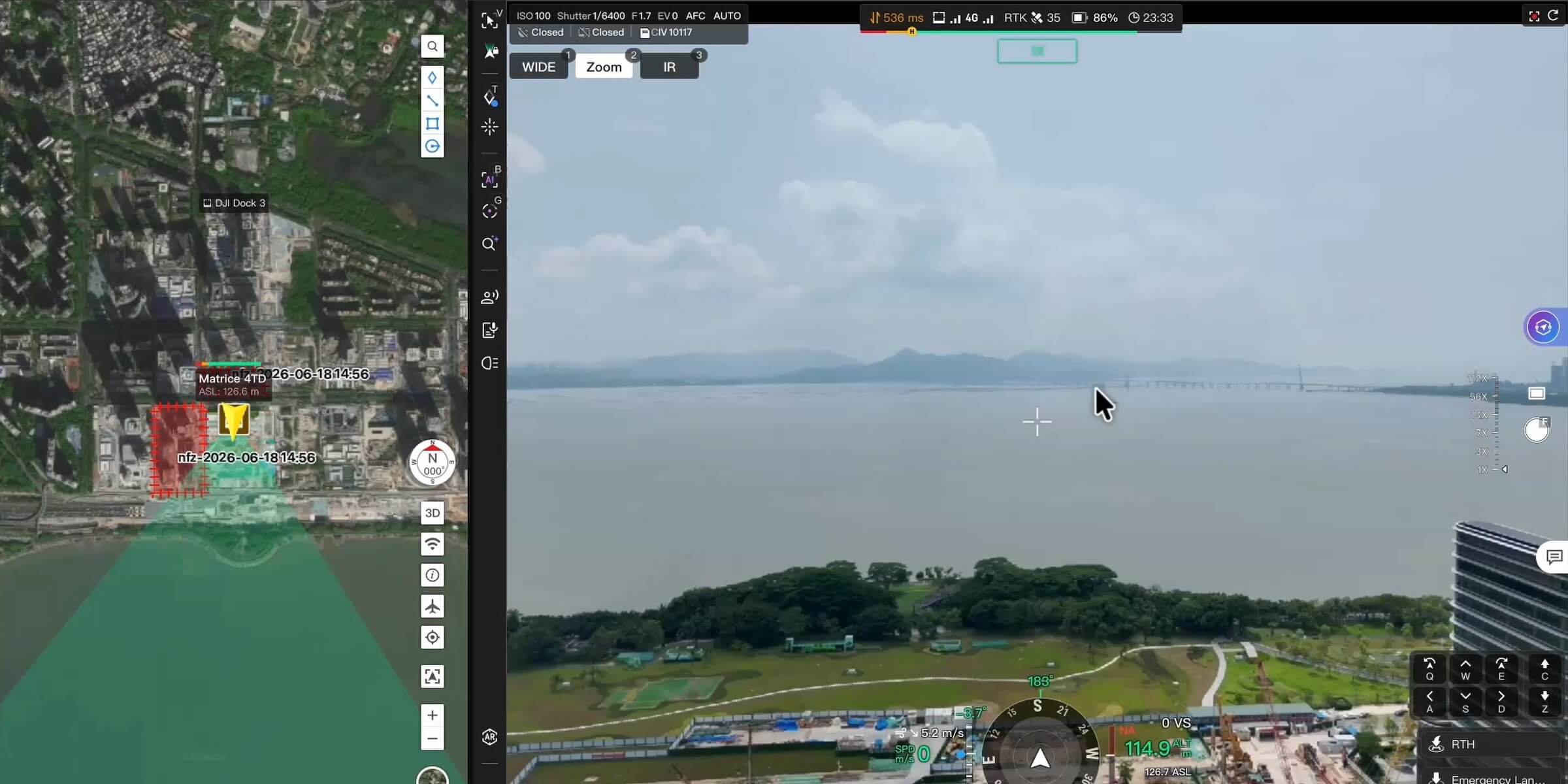
Virtual Cockpit, routes and dashboard
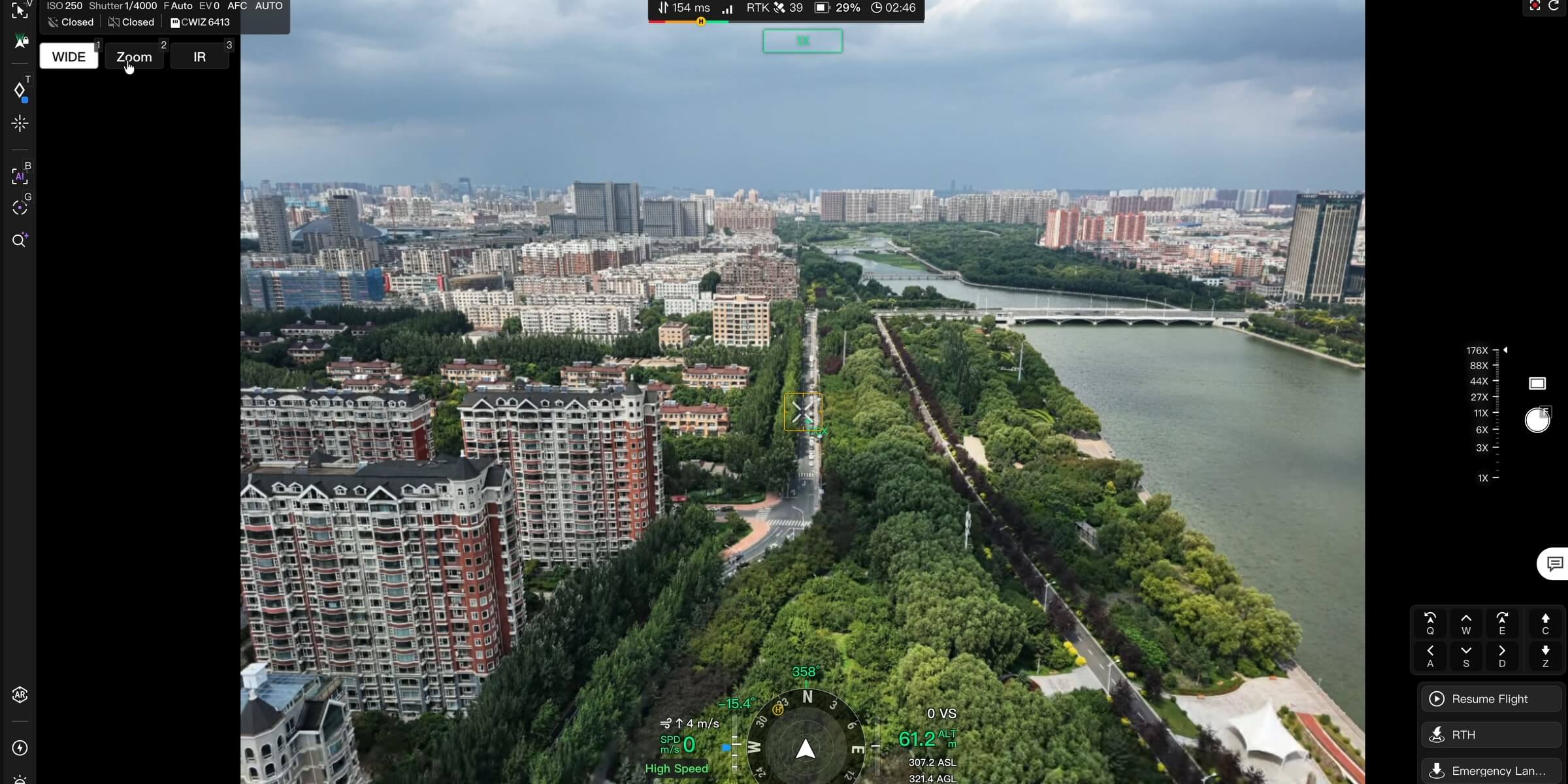
Remote control through Virtual Cockpit combines route editing, timeline-based task management and multiple live streams. A unified dashboard helps track fleet and mission status.
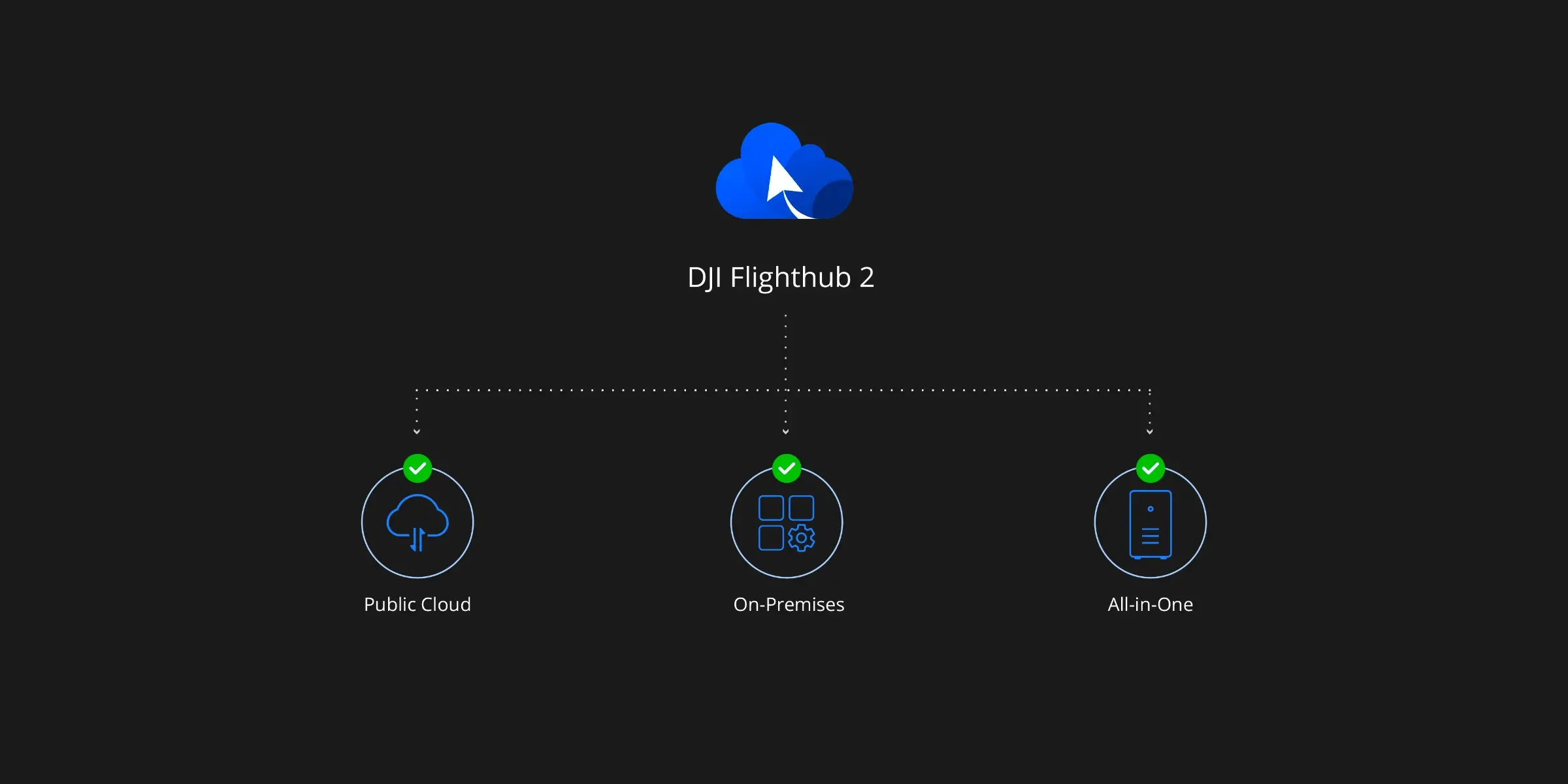
Cloud, on-premises or all-in-one
Public Cloud, On-Premises and All-in-One options can be selected around hosting policies and infrastructure needs. Feature sets and integration scope may differ between editions.
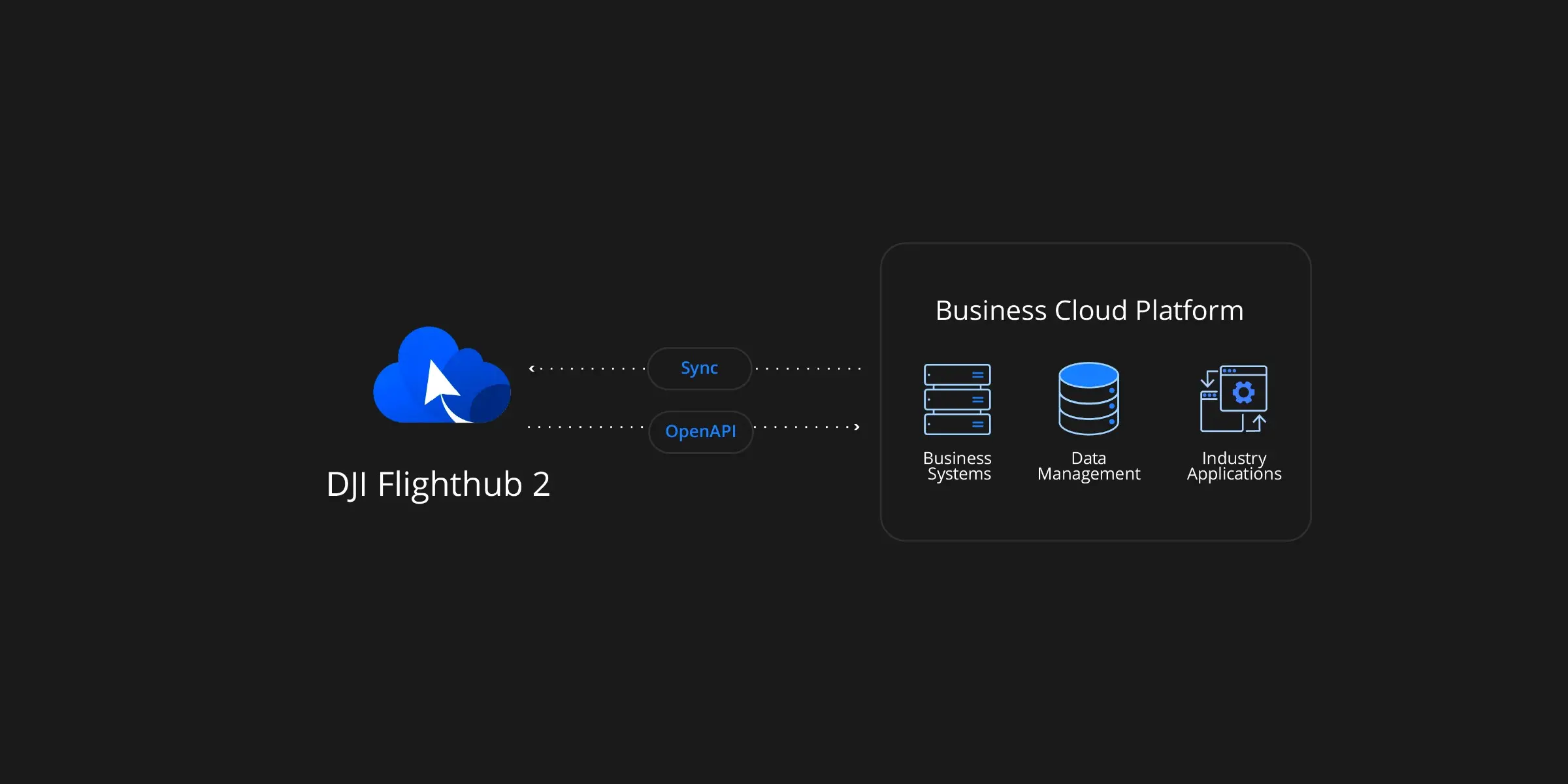
FlightHub Sync and OpenAPI
FlightHub Sync enables code-free cloud integration, while OpenAPI connects supported functions with business platforms. Independent front-end components and MQTT Bridge are further development options for applicable deployments.
Remote maintenance and updates
Device status, mission records, alerts and OTA updates form part of operational management. Regular physical maintenance and on-site inspections are still required.
Field access through the DJI Enterprise app
The DJI Enterprise app provides a mobile entry point for setup, commissioning and field operations. Matrice 5TD must be activated through the app before use.
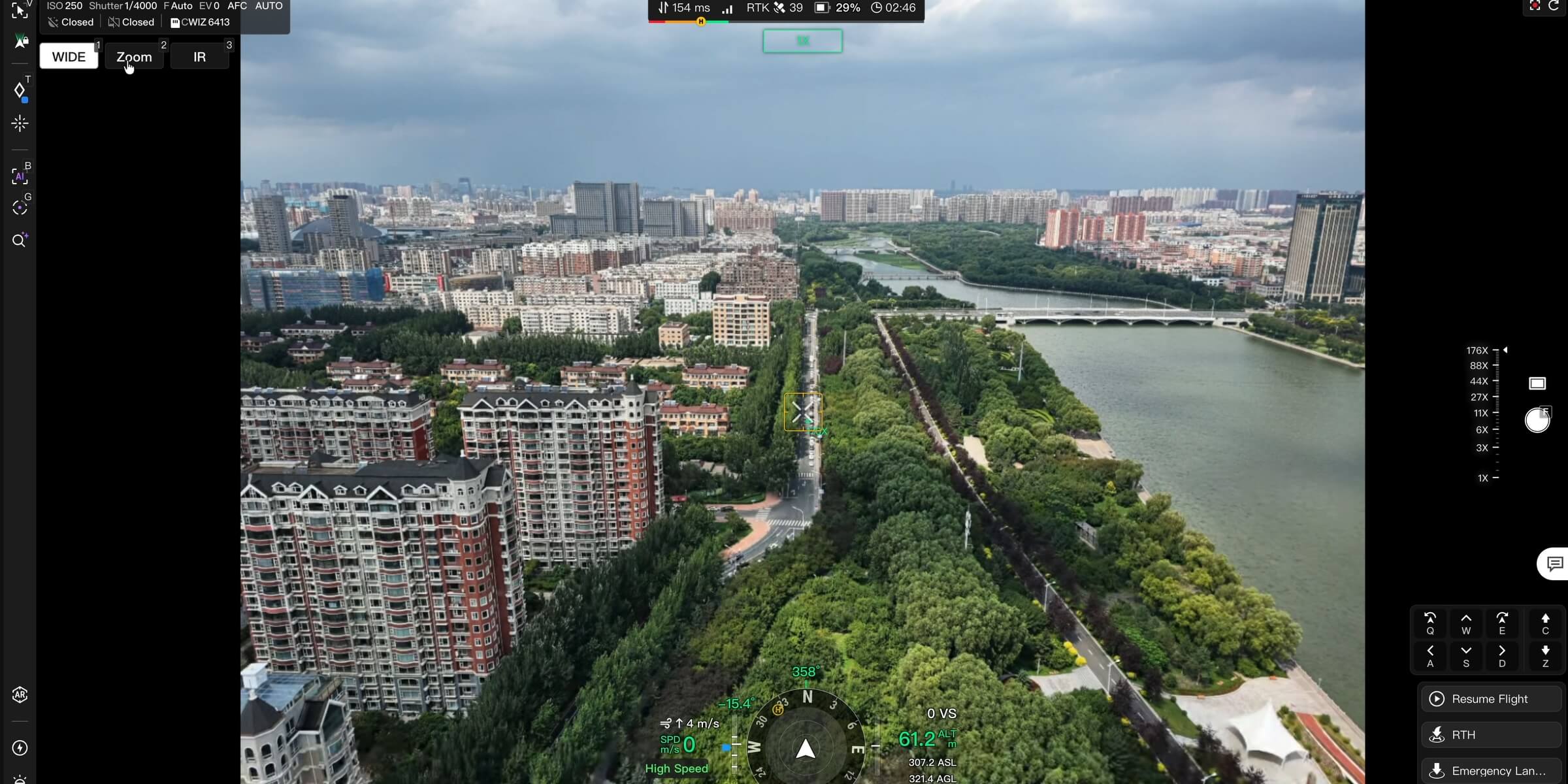
Setup and commissioning
Dock configuration, connection checks and troubleshooting can be carried out on site through the app. Correct installation underpins reliable remote operation.
Dispatch, monitor and assess
Supported tasks can be triggered from the app, directing the aircraft to a selected location while teams view live video remotely. Connectivity, authorisation and mission conditions must be checked before operation.
Flight zones, airspace awareness and data protection
The Dock 4 solution provides tools for addressing flight risk and information security together. Flight permissions and operating conditions must be planned for the jurisdiction of deployment.
Custom flight zones
Boundaries enforced by the flight controller help keep the aircraft within a predefined area. Parachutes and other risk-mitigation equipment complement the operational plan.
Additional airspace information
O4 Ground Station can connect to a compatible third-party Remote ID receiver through MQTT. AirSense, onboard ADSB/RID reception and third-party airspace services support pre-mission and in-flight assessment.
Encryption in transit
DJI states that aircraft-to-dock communication uses TLS 1.2+ and AES-256, with HTTPS, WSS and TLS for dock-to-cloud transfer. Organisational network and access policies should be implemented alongside the chosen deployment.
Storage and access control
AES-256-CBC for sensitive stored information, permission-based access and access logging are provided. Hosting location and organisational permissions should be assessed for the selected FlightHub 2 edition.
Data lifecycle management
DJI describes deletion options at account, organisation and device levels. Local log/cache clearing and factory resets can support organisational retention and equipment-handover policies.
Open ecosystem and specialised missions
Beyond standard tasks, solutions can be developed around an organisation’s sensors, AI models and data platforms.
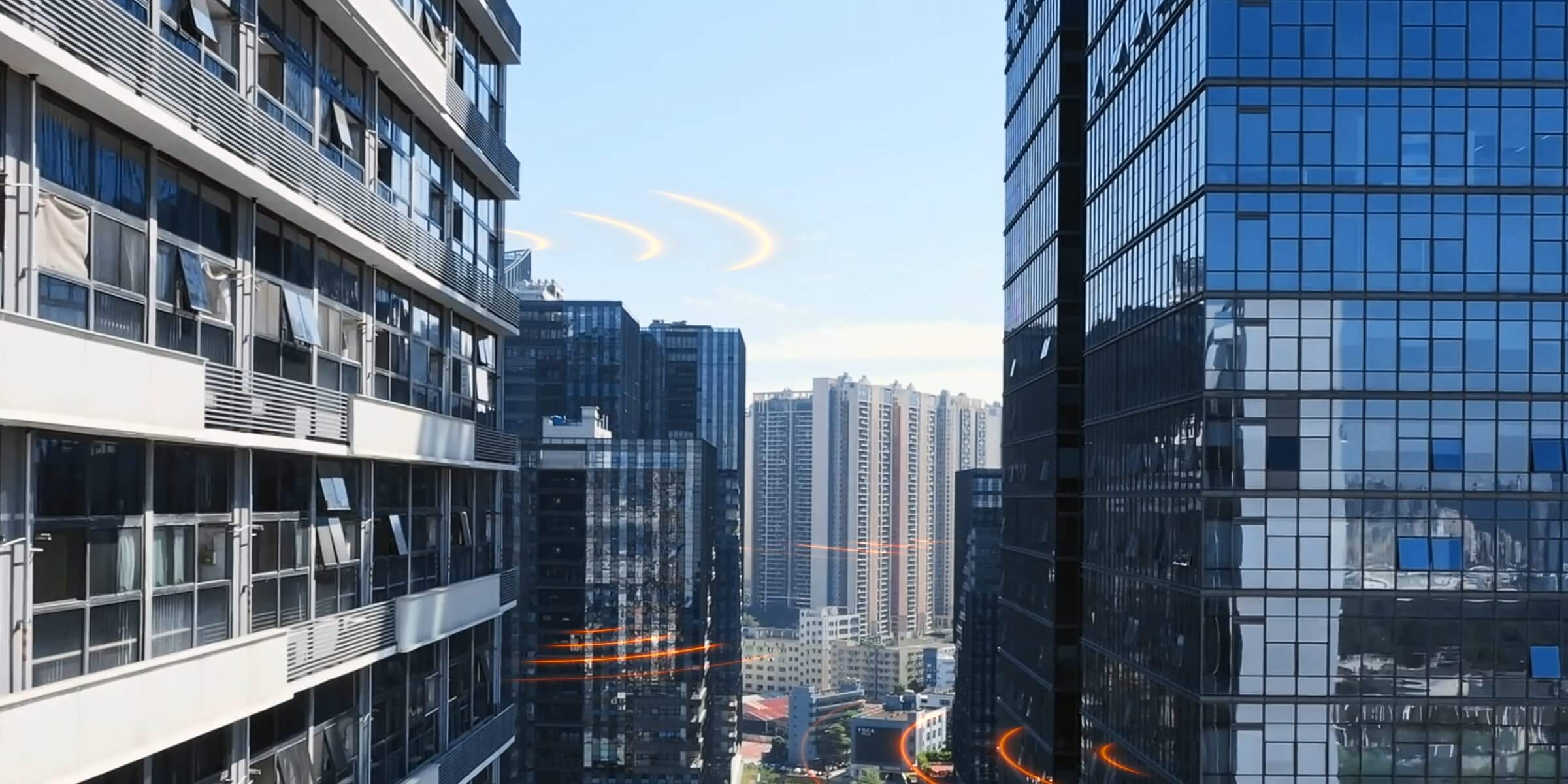
Custom onboard AI
AI Inside enhancements include dual-stream encoding, model quantisation tools and onboard algorithm deployment channels for specialised detection applications.
Third-party payloads
Three E-Port interfaces and up to 450 g payload capacity allow compatible gas detectors, current-flow instruments and other sensors to be considered. Mechanical, electrical and software compatibility require validation.
3D data and cloud integration
The TerraGS–CesiumJS web plugin supports large-scale 3D Gaussian Splatting data within third-party environments. FlightHub 2 OpenAPI can connect operational data to business cloud platforms.
Service, maintenance and operational continuity
Maintenance planning and service coverage are part of a long-term autonomous operation. Product bundles, regional availability and service terms should be confirmed before purchase.
DJI Care Enterprise Plus
DJI describes repair-parts coverage for Dock 4 and repair, battery-replacement and flyaway services for Matrice 5TD. First-year offers, shared fleet limits, shipping and other benefits depend on region, activation/binding periods and policy terms. They should not be assumed to apply automatically in Türkiye.
Extended warranty and routine maintenance
The official extended-warranty programme provides additional support for the aircraft body, gimbal camera and O4 Ground Station under specified terms. Periodic checks of the dock, battery mechanism and communications infrastructure should form part of the service plan.
Applications
Dock 4 can be configured for teams combining scheduled data collection with incident-triggered response across different operating environments.
First response and public safety
Remote dispatch, live incident assessment and coordination with field teams.
Site security
Scheduled patrols, event alerts and nighttime site checks.
Infrastructure and energy
Repeated visible and thermal inspection of powerlines, facilities and structures.
Agriculture and land monitoring
Repeat imaging, mapping and comparison of change across large areas.
Mining
Regular monitoring of site progress, terrain changes and operational areas.
Technical Specifications
DJI Dock 4
| Supported aircraft | DJI Matrice 5TD |
|---|---|
| Required ground station | DJI O4 Ground Station |
| Weight | 66 kg; excludes aircraft and batteries in compartments |
| Dimensions – closed | 639 × 640 × 836 mm |
| Dimensions – open | 1750 × 640 × 550 mm |
| Protection / operating temperature | IP56 / −40 °C to +50 °C |
| Power input | 100–240 V AC, 50/60 Hz; maximum 2000 W |
| Battery swap | Less than 25 seconds¹ |
| Landing-to-takeoff turnaround | Less than 45 seconds¹ |
| Battery compartments | 4 compartments; maximum 3 stored batteries at one time |
| Parallel charging | 2 channels; 15% to 95% in 27 minutes per battery at 25 °C |
| Maximum landing wind speed | 12 m/s |
| Maximum operating altitude | 5000 m |
DJI Matrice 5TD
| Flight time | Maximum 59 minutes² |
|---|---|
| Maximum horizontal speed | FlyTo: 21 m/s; other modes: 15 m/s |
| Weight / maximum takeoff weight | 2600 g / 3050 g |
| Protection / operating temperature | IP55 / −40 °C to +50 °C |
| Wide / medium tele / tele | 50 MP / 50 MP / 50 MP |
| Equivalent focal lengths | 23.5 mm / 70 mm / 252 mm |
| Thermal sensor | 1280 × 1024; UHR output: 2560 × 2048 |
| Laser rangefinding | Up to 3000 m under specified target and visibility conditions |
| Sensing | Omnidirectional vision, rotating LiDAR and mmWave radars |
| Payload capacity | Maximum 450 g; compatible accessory mount required |
¹ DJI controlled-test values. Battery swap time starts when the dock cover is fully closed. The 45-second turnaround is measured from landing to the next takeoff. Actual times may vary.
² The 59-minute figure was measured in a windless laboratory at 20 m above sea level, without payload, flying forward at a constant 15 m/s from 100% to 0% battery. It is not an operational mission duration.
Dock dimensions include the wind speed sensor and mounting brackets. IP ratings are not permanent. Vehicle-mounted mobile deployment is announced for the first half of 2027 and should not be treated as a currently available feature.
³ The 160 ms latency and 80 MB/s transfer figures are reference test results. Networks, computers, file types and permitted Wi-Fi bands affect performance. Availability of 4G, sub2G and mmWave functions depends on local rules.
⁴ The 10 cm test used 120 m altitude, area routes without terrain following, 70% side and 80% forward overlap, 12 MP wide-angle images, an O4 station calibrated with network RTK, good lighting and distinct surface features, with processing in DJI Terra or FlightHub 2.
⁵ Sensing performance depends on obstacles, lighting, weather and accessory configuration. Visual sensing is disabled when the spotlight is on. Follow current manuals, local regulations and the product’s regional feature availability.
Plan a Dock 4 solution for your project.
Contact our team to assess the deployment site, communications infrastructure, Matrice 5TD aircraft and FlightHub 2 requirements.
Request a Quote