
FlyCart 100
A New Era of Delivery with DJI FC100.
DJI FlyCart 100 is designed for professional transport operations with dual batteries, two payload systems and a developer ecosystem. The manufacturer's upper capacity figure is 85 kg with dual batteries.[1]
LiDAR, the Penta-Vision System and millimetre-wave radar support assessment of the surroundings of both payload and aircraft in challenging terrain.
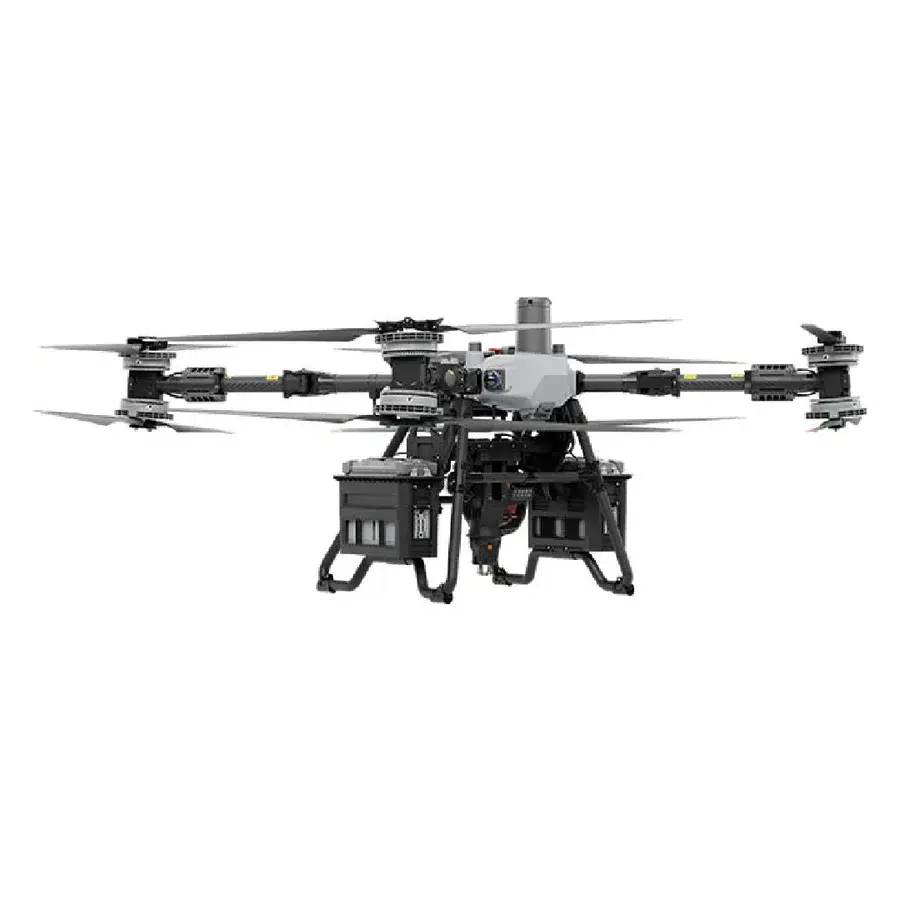
Upper Capacity with Dual Batteries
Manufacturer value; subject to configuration and regional conditions.
Maximum Flight Distance
At a total takeoff weight of 149.9 kg with dual batteries.
Flexible Payload Transport
Winch or dual-battery lifting system.
Winch Cable
Retraction speed up to 1.2 m/s.
Ultra-Fast Charging
From 30% to 95% with suitable charging equipment.
Water and Dust Resistance
Operating range of -20 °C to +40 °C.
Capacity condition: DJI limits total takeoff weight to 150 kg for Türkiye. The 85 kg upper capacity figure is not the net payload available in every configuration. Suitable payload is determined together with the batteries and transport system.[1]
FLIGHT PERFORMANCE
More Payload. Greater Performance.
Coaxial dual-rotor architecture, carbon-fibre propellers and a powerful motor system combine payload capability with energy efficiency.
Single- and Dual-Battery Support
Upper capacity figures of 85 kg with dual batteries and 100 kg with a single battery. Single-battery mode is reserved for emergency use.[1]
Coaxial Dual Rotors
A compact structure and powerful thrust support operations with redundancy and propeller stall protection.
62-Inch Carbon-Fibre Propellers
High rigidity and low weight. Foldable propellers, optimised airfoils and upper-motor propeller retainers support stable flight.
Motor and ESC System
Larger motors, high torque and a 420 A-capable ESC provide fast response and stable operation.
82 kg Single-Axis Thrust
A maximum of 82 kg single-axis thrust in manufacturer testing; a propulsion system developed for heavy lifting.
Up to 32% Greater Efficiency
Single-axis propulsion efficiency comparison with DJI FC30.[5]
DISTANCE AND CAPACITY
A Flight Plan for Your Mission.
Distance, flight time and payload must be assessed together. The following test values apply at a total takeoff weight of 149.9 kg; they are not flight values with an 85 kg payload.[2]
DUAL BATTERY
12 km / 14 minutes
Flight tests at the optimal constant speed. Hovering time: 12 minutes.
SINGLE BATTERY · EMERGENCY
6 km / 7 minutes
Flight tests at the optimal constant speed. Hovering time: 6 minutes.
Tests were conducted at sea level, at 25 °C and in windless conditions until the battery reached 0%. Real missions require reserves for a safe return and landing.[2]
PAYLOAD SYSTEM
Intelligent Delivery Control. Ultra-Fast Response.
FC100 lets you choose between the winch system and DJI Dual-Battery Lifting System. Configure loading, transport and unloading workflows for the delivery location.
DJI FlyCart 100 Winch System
Electric hook, up to 30 m of cable, automatic or manual extension and retraction, and real-time weighing.
Flexible control for missions requiring delivery without landing.
Dual-Battery Lifting System
Real-time weighing and automatic balance control. Standard 10 m cable; recommended cable length 10–15 m.
Supports separation of the aircraft from its payload by cutting the cable in an emergency.

HIGH-PERFORMANCE WINCH SYSTEM
Control and Power Together.
Manage loading and unloading with an electric hook, wireless charging, real-time weighing, and audible and visual alerts.
Electric Hook
Electric opening and closing through the controller, app or button on the hook. Supports automatic release when the load reaches the ground.
Wireless Charging
Charges wirelessly when fully retracted into its housing. USB-C charging is also available, with approximately 10 hours of operation under test conditions.[6]
Real-Time Weighing
Monitors payload weight to help prevent overloading and organise operation records.
Audible and Visual Alerts
Sound and light alerts inform nearby teams during loading and unloading.
Automatic Balance Control
A three-axis force sensor and control algorithms help reduce payload swing.
Cable Release for Separation
Full cable release for emergencies involving a snagged load or tangled cable.
FC100 and FC30 winch systems are not interchangeable. Transport systems have different functions and weights; assess capacity for the selected configuration.
INTELLIGENT SAFETY SYSTEM
Sense Complex Surroundings in Greater Detail.
LiDAR + Penta-Vision System + millimetre-wave radar combine data from different sensors to assess the surroundings of the aircraft and payload.
LiDAR
Up to 300,000 spatial points per second. Supports a point-cloud view of the surroundings in complex terrain and low light.
Millimetre-Wave Radar
The front radar provides 360° horizontal mechanical scanning and 5000 vertical scans per second. Rear and downward radars complete the sensing coverage.
Penta-Vision System
Four vision cameras and a full-colour low-light FPV camera support monitoring of the front, rear, sides and underside.
Night Lighting
Forward high/low beams and a downward auxiliary light support visibility during night operations.
AR Safety Assistance
Pedestrian and vehicle markers during takeoff and landing; landing-point projection during return.
Payload Obstacle Sensing
Terrain following, automatic ascent on slopes and obstacle avoidance assistance around the payload.
Sensing depends on lighting, precipitation, obstacle material and position. Obstacle avoidance for the payload and cable is an assistive function. The AirSense ADS-B receiver is provided only with the Flagship Winch System.[7]
INTEGRATED PROTECTION
Support from Takeoff to Landing.
The integrated parachute has independent power and recording systems and is designed to reduce the aircraft's ground impact speed in an emergency.
Integrated Parachute
Automatic or manual deployment. Manufacturer tests specify a minimum deployment height of 100 m and a maximum ground impact speed of 7 m/s.[8]
Operating Conditions
Ambient temperature of -20 °C to +40 °C; wind resistance of 12 m/s during takeoff and landing.
Altitude-Based Payload Planning
Technical maximum altitude of 6000 m above sea level in an unloaded dual-battery configuration. Payload capacity decreases as altitude increases.[3]
Parachute and Protection Details
The parachute system performs an automatic startup check; propellers stop before deployment. Its independent power supply supports operation for at least one hour after the main board powers down. IP55 protection and the stated operating conditions apply.
ENERGY SYSTEM
Ultra-Fast Charging Technology.
DB2160 / DB2212 intelligent flight batteries and different power sources work together to reduce preparation time between missions.
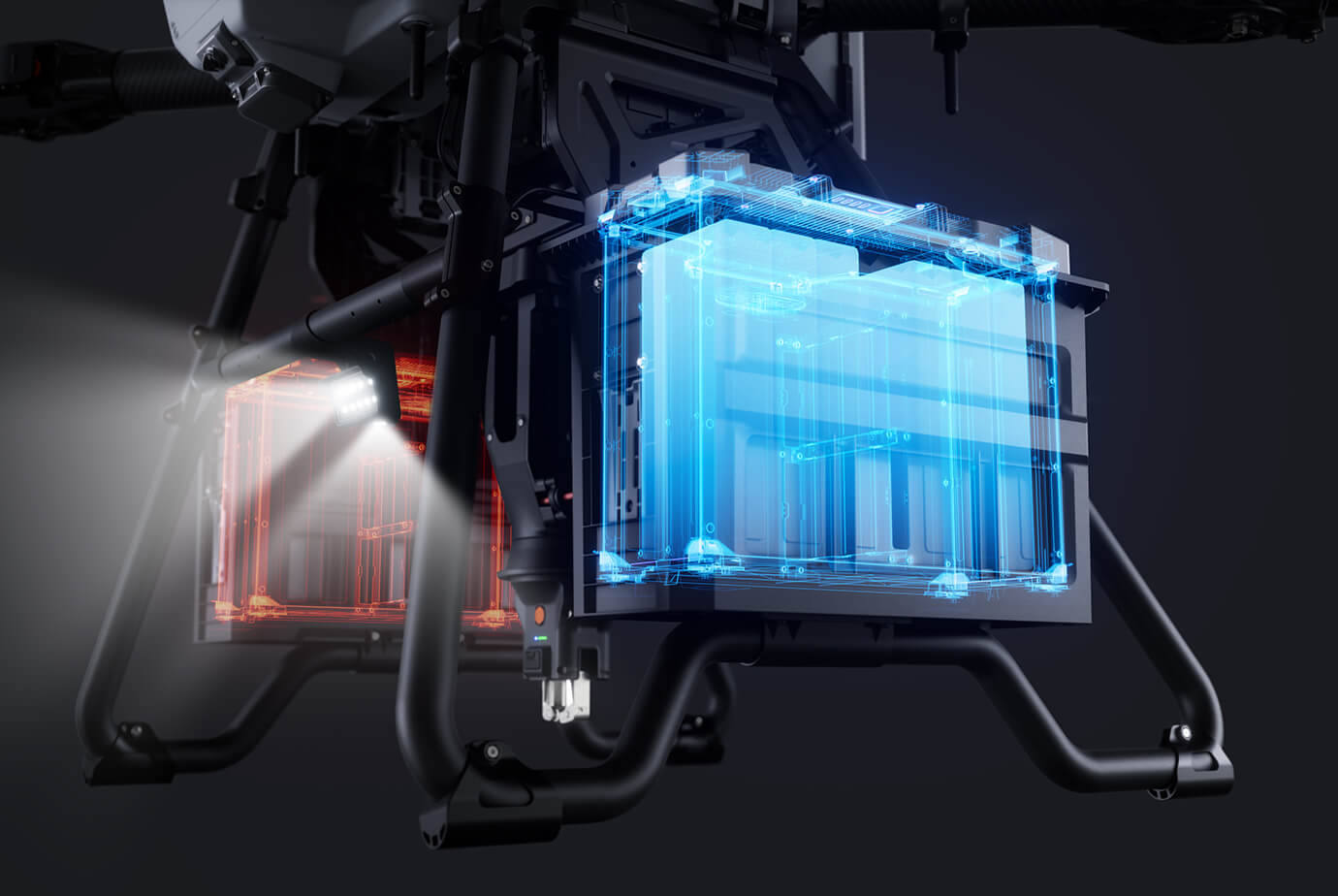
41 Ah Battery
DB2160 and DB2212 options with high-capacity cells and a three-channel cooling design.
Dual-Battery Redundancy
The dual-battery configuration provides power redundancy against a single battery failure. Batteries used together must be the same model.
Hot-Swappable Batteries
The dual-battery system supports battery replacement between missions without powering down the aircraft.
Battery Heating
The optional DJI Battery Incubator brings batteries to a suitable operating temperature in cold conditions.
C12000 / C10000
C12000 provides 12 kW with three-phase input; C10000 offers 9 kW with suitable single-phase infrastructure.[10]
D14000iE Generator
Off-grid field power with 11.5 kW fast charging and a 1500 W AC output.
Approximately 9 minutes is the charging time from 30% to 95% with suitable equipment under test conditions. C12000 has a rated power of 3 kW with single-phase 220 V input. Charging DB2160 with C10000 requires an adapter cable.[10]
CONTROLLER AND VIDEO TRANSMISSION
Easy Control. Stable Connectivity.
The FC100-compatible DJI RC Plus 2 lets you manage transport missions in the field with a 7-inch, 1400-nit display and dual-controller support.
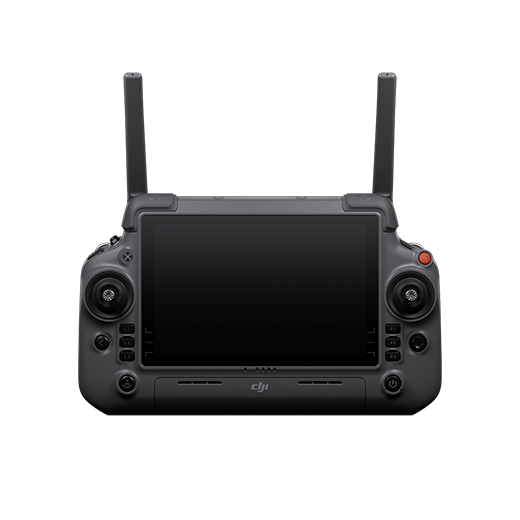
O4 Video Transmission
1080p/30 fps live view; communication up to 10 km under CE / MIC, 20 km under FCC and 12 km under SRRC conditions.[9]
4G Enhanced Transmission
Transmission support over a suitable mobile network with the optional DJI Cellular Dongle Kit.[9]
Relay with D-RTK 3
Relay connectivity through a multifunctional station placed appropriately in areas obstructed by mountains or buildings.
Dual-Controller Mode
Supports transfer of control between two pilots during a mission. A second controller is supplied separately.
Adapted to Field Conditions
IP54 controller protection and an operating temperature of -20 °C to +50 °C.
RTK Positioning
Precise positioning with a compatible D-RTK station or NTRIP network corrections.
Select the controller version compatible with FC100. The FC30 controller is not compatible with FC100.
INTEGRATED SOLUTION
DJI Delivery App and DeliveryHub.
Plan, monitor and evaluate delivery operations with a workflow spanning the field app and team management.
A-B Route Mode
Define loading and unloading points and transfer points recorded with an RTK-equipped controller to the pilot's controller.
Automated Flight and AR
Monitor aircraft and payload status together with Tap-to-Fly, AR route display and multiple camera views.
Winch Mission Points
Add winch actions to mission points to configure planned delivery steps.
Operation Planning
Central monitoring of missions and flight status through DJI DeliveryHub.
Team and Resource Management
Manage aircraft, teams and operational resources on one platform.
Developer Ecosystem
Compatible payload and platform integrations with PSDK, a power interface up to 3000 W and DeliveryHub Sync 2.0.
PSDK connections also require the DJI FC100 PSDK Connection Cable Combo. Software and integration features depend on the version, licence and hardware. DJI lists No-roll Flight as a future update.[11]
TECHNICAL SPECIFICATIONS
Every Detail, in One Place.
Tap a heading to explore the flight platform, transport systems, sensing, power and software specifications.
General and Flight Performance
| Product Name | DJI FlyCart 100 / DJI FC100 |
|---|---|
| Maximum Payload Capacity — Dual Battery | 85 kg; manufacturer's upper performance figure. Lifting-system configuration and regional takeoff-weight conditions apply. [1] |
| Maximum Payload Capacity — Single Battery | 100 kg; manufacturer's upper performance figure. Single-battery mode is for emergency use. [1] |
| Maximum Takeoff Weight | Technical maximum: 170 kg. Total takeoff-weight limit stated by DJI for Türkiye: 150 kg. [1] |
| Unloaded Aircraft Weight | With lifting system: 55.2 kg With winch system: 60.2 kg Excludes batteries, dual-battery compartment and accessories, cable and hook. |
| Dimensions — Arms and Propellers Unfolded | 3220 × 3224 × 975 mm |
| Dimensions — Arms Unfolded, Propellers Folded | 1820 × 1840 × 975 mm |
| Dimensions — Arms and Propellers Folded | 1105 × 1265 × 975 mm |
| Diagonal Motor Axis Distance | 2330 mm |
| Diagonal Propeller-Tip Distance | 3904 mm |
| Folding Method | Folds towards the airframe. |
| Battery Configuration | Single or dual batteries; batteries in a dual-battery setup must be the same model. [1] |
| Maximum Flight Distance | At a total takeoff weight of 149.9 kg: Dual battery: 12 km Single battery: 6 km [2] |
| Maximum Flight Time | At a total takeoff weight of 149.9 kg: Dual battery: 14 minutes Single battery: 7 minutes [2] |
| Maximum Hovering Time | At a total takeoff weight of 149.9 kg: Dual battery: 12 minutes Single battery: 6 minutes [2] |
| Maximum Horizontal Speed | 20 m/s in S mode; maximum 15 m/s on route flights |
| Maximum Ascent / Descent Speed | 5 m/s / 5 m/s |
| Maximum Altitude — Above Sea Level | 6000 m for an unloaded dual-battery configuration. [3] |
| Maximum Height — Above Takeoff Point | 1500 m; subject to the overall altitude-above-sea-level limit. [3] |
| Wind Resistance | 12 m/s during takeoff and landing |
| Operating Temperature | −20 °C to +40 °C |
| Ingress Protection Rating | IP55; excludes the propulsion system. [4] |
| GNSS | GPS + Galileo + BeiDou + GLONASS |
| Hovering Accuracy | With a strong GNSS signal: RTK enabled: horizontal ±10 cm, vertical ±10 cm RTK disabled: horizontal ±60 cm, vertical ±30 cm |
Propulsion System
| Rotor Layout | Coaxial dual-rotor architecture |
|---|---|
| Motor Stator Dimensions | 155 × 16 mm |
| Motor KV Rating | 60 rpm/V |
| Propeller Material | Carbon-fibre composite |
| Propeller Diameter | 62 inches / 1574.8 mm |
| Propeller Type | Two-blade, foldable |
| Maximum Single-Axis Thrust | 82 kg; manufacturer test value |
| ESC | Motor drive system supporting 420 A |
| Efficiency Improvement | Up to 32% in single-axis propulsion efficiency compared with DJI FC30; depends on test conditions. [5] |
| Anti-Icing Propellers | Optional accessory; supplied separately. |
Winch System — Flagship Winch System
| Model | A2EWH-100A |
|---|---|
| Dimensions | 960 × 805 × 669 mm |
| Cable Length | 0–30 m |
| Maximum Retraction Speed | 1.2 m/s |
| Electric Hook | Opening and closing through the app / controller or the button on the hook |
| Hook Charging | Wireless or USB-C charging. The hook must be fully retracted into its housing for wireless charging. [6] |
| Hook Charging Power Limits | Wireless: 45 W USB-C: 30 W [6] |
| Hook Operating Time | Approx. 10 hours under the manufacturer's test conditions. [6] |
| Real-Time Weighing | Supported |
| Automatic Balance Control | Supported; helps reduce payload swing. |
| Cable Extension / Retraction | Automatic or manual; one-touch extension and retraction |
| Intelligent Deceleration Protection | Supported |
| Payload Release | Automatic release when the payload touches the ground; remote hook-opening support |
| Emergency Separation | Full cable-release function |
| Audible and Visual Alerts | Alerts during loading and unloading |
| DJI AirSense | An ADS-B receiver is provided with this winch system. [7] |
Dual-Battery Lifting System
| Product | DJI Dual-Battery Lifting System |
|---|---|
| Model | A2EDL-100A |
| Dimensions | 960 × 805 × 669 mm |
| Cable Length | Standard: 10 m Manufacturer-recommended range: 10–15 m |
| Real-Time Weighing | Supported |
| Automatic Balance Control | Supported |
| Emergency Separation | Separation by cutting the cable; electrically heated cable-melting function |
| Difference from the Winch System | 30 m cable retraction and electric-hook functions belong to the Flagship Winch System. Choose between the systems according to mission requirements. |
Sensing, FPV and Lighting
| Sensing System | LiDAR, front / rear / downward millimetre-wave radars, a four-direction vision system and FPV camera |
|---|---|
| Penta-Vision System | Four vision cameras working together with a full-colour low-light FPV camera |
| LiDAR Point Density | Up to 300,000 points per second |
| LiDAR Field of View | Vertical: 272°; horizontal: 60° |
| Front Radar Field of View | Horizontal: 360°; vertical: ±45° |
| Downward Radar Field of View | Left / right: ±12.5°; front / rear: ±22.5° |
| Rear Radar Field of View | Left / right: ±45°; front / rear: ±45° |
| Four-Direction Field of View | Horizontal: 360°; vertical: 180° |
| FPV Field of View | Horizontal: ±86°; vertical: 108° |
| Sensing Distance | Up to 60 m; depends on the environment and obstacle characteristics. [7] |
| Radar Scanning | 5000 vertical scans per second and 360° horizontal mechanical scanning by the front radar |
| Sensor Power Consumption | LiDAR: 6.5 W Front radar: 18 W Downward radar: 5 W Rear radar: 5 W |
| Radar EIRP | <20 dBm; NCC / MIC / KC / CE / FCC |
| Environmental Conditions | Adequate lighting and distinguishable environmental detail. Rain, fog and obstacle characteristics affect performance. [7] |
| AR Safety Assistance | Pedestrian and vehicle markers during takeoff / landing and landing-point projection; provided as assistive visual alerts. [7] |
| Lighting | Forward and downward lighting; automatic / manual control; standard maximum power 46 W |
| No-roll Flight | DJI states this will be introduced in a future firmware update; it should not be treated as a currently available feature. [11] |
Integrated Parachute
| Model | E2MSF-100A |
|---|---|
| Minimum Deployment Height | 100 m under the manufacturer's specified test conditions. [8] |
| Ground Impact Speed | ≤7 m/s under test conditions. [8] |
| Deployment Method | Automatic or manual |
| Shape / Material | Square / nylon |
| Ingress Protection Rating | IP55 |
| Operating Temperature | −20 °C to +40 °C |
| Independent Power Support | At least 1 hour after the main board powers down |
| Independent Recording | Independent storage capable of recording 10 flights |
| Alerts | Audible and light alerts |
| Protection Mechanism | Automatic startup check; propellers stop before parachute deployment |
O4 Transmission and DJI RC Plus 2
| Video Transmission System | DJI O4 |
|---|---|
| Maximum Transmission Distance | FCC: 20 km CE / MIC: 10 km SRRC: 12 km [9] |
| Live View | 1080p / 30 fps |
| Antenna Configuration | 4 antennas; 2T4R |
| Operating Frequencies | 2.400–2.4835 GHz 5.725–5.850 GHz; subject to regional support. [9] |
| Transmitter Power — EIRP | 2.4 GHz: <33 dBm FCC; <20 dBm CE / SRRC / MIC 5.8 GHz: <33 dBm FCC; <30 dBm SRRC; <14 dBm CE |
| 4G Enhanced Transmission | With the optional DJI Cellular Dongle Kit; subject to regional availability. [9] |
| Relay Support | O4 relay with the optional D-RTK 3 Multifunctional Station |
| Controller Model | DJI RC Plus 2; technical model: TKPL 2. An FC100-compatible version is required. |
| Controller Display | 7-inch LCD touchscreen; 1920 × 1200; 1400 nits |
| Controller Protection | IP54 |
| Controller Operating Temperature | -20 °C to +50 °C |
| Controller Charging Temperature | +5 °C to +40 °C |
| Controller Operating Time | Internal battery: 3.8 hours Additional time with an external battery: 3.2 hours |
| Controller Charging | USB-C fast charging; specifications recommend a compatible adapter rated at least 65 W with a maximum output of 20 V. |
| Controller Charging Time | Internal battery while powered off: approx. 2 hours Internal + external battery: approx. 2.5 hours |
| Dual-Controller Mode | Supported; a second controller is supplied separately. |
| Controller RTK Module | Supported; appropriate module configuration is required. |
| Controller App | DJI Delivery App |
Batteries and Charging Equipment
| DB2160 Battery | 41 Ah; 52 V; 14.7 ±0.3 kg |
|---|---|
| DB2212 Battery | 41 Ah; 52 V; 15 ±0.3 kg |
| Dual-Battery Use | Use batteries of the same model; supports dual-battery redundancy and hot swapping |
| Battery Cooling | Three-channel cooling design |
| Battery Heating | Requires the externally powered DJI Battery Incubator, sold separately. |
| Battery Incubator Operating Temperature | −20 °C to +40 °C |
| C12000 Model | CSX901-12000 |
| C12000 Dimensions / Weight | 456 × 291 × 107 mm / 13.13 kg |
| C12000 Input | Three-phase AC: 175–520 V Single-phase AC: 200–264 V |
| C12000 Output | 62 V; rated 194 A; 1 output channel |
| C12000 Power | 12,000 W at 380 V three-phase 3000 W at 220 V single-phase [10] |
| C12000 Charging Time | Approx. 9 minutes from 30% to 95% under the specified fast-charging conditions. [10] |
| C12000 Operating Temperature | 0 °C to +40 °C |
| C12000 Protection | Protection against overheating, overvoltage, undervoltage, short circuits and fan stoppage |
| C10000 Power Supply | Single-phase input; 9000 W fast charging with suitable power infrastructure; 1.5 m charging cable. DB2160 requires an adapter cable. [10] |
| D14000iE Charging Output | 42–61.6 V DC / 11,500 W |
| D14000iE Additional Outputs | Air-cooling unit: 12 V / 6 A AC: 220 V / 1500 W |
| D14000iE Charging Time | Approx. 9 minutes from 30% to 95% under test conditions. [10] |
| D14000iE Fuel Tank | 30 L |
| D14000iE Starting | One-button start |
| D14000iE Dimensions / Weight | 757 × 704 × 677 mm / 87 ±0.5 kg; including wheels and handle |
| D14000iE Operating Temperature | 0 °C to +40 °C |
| D14000iE Fuel | Petrol rated 92 octane or higher |
| D14000iE Reference Fuel Consumption | 500 mL/kWh |
| D14000iE Engine Oil | 1.3 L; DJI S10W-40 dedicated engine oil |
Software, RTK and Integration
| Field App | DJI Delivery App; FC100 is activated through this app. |
|---|---|
| Route Workflows | A-B route mode, Tap-to-Fly, AR display, multiple views and winch mission-point actions |
| Route Files | KML / KMZ import |
| Operations Platform | DJI DeliveryHub; mission planning, operation monitoring and team resource management |
| Third-Party Platform Connectivity | DeliveryHub Sync 2.0, subject to supported integrations |
| PSDK Communication | E-Port Lite; also requires the DJI FC100 PSDK Connection Cable Combo. |
| High-Power Interface | Up to 3000 W with a suitable external payload and connection kit |
| RTK Correction Data | RTCM 3.2 from a D-RTK 2 / D-RTK 3 station NTRIP network RTK: RTCM 3.0 / 3.1 / 3.2 |
| D-RTK 3 Relay / Base Operating Time | With the internal battery at room temperature: 4 hours as a relay; 7 hours as a base station |
| D-RTK 3 Protection / Weight | IP67 with all connector covers closed. Approx. 1.26 kg |
| Accessory Compatibility with DJI FC30 | FC100 batteries, controller and winch system are not interchangeable with FC30. C8000 does not charge DB2160 batteries. |
- The 85 kg dual-battery and 100 kg single-battery values are manufacturer upper limits for the lifting-system configuration; the definition also includes the weight of the dual-battery compartment and accessories, cable and hook. The user payload must not exceed the value recommended by DJI Delivery App for the mission and environmental conditions. Technical maximum takeoff weight is 170 kg; DJI specifies a total limit of 150 kg for Türkiye. The 85 / 100 kg figures therefore do not represent net payload available in every configuration in Türkiye. Single-battery mode is for emergency use.
- Flight distance, flight time and hovering values come from separate tests at a total takeoff weight of 149.9 kg, at sea level, 25 °C, in windless conditions, using a new fully charged battery down to 0%. Distance and flight time are measured at the optimal constant speed. The 12 km figure is neither range with an 85 kg payload nor a 12 km round-trip mission radius. Missions require a battery reserve for return and safe landing.
- 6000 m is the technical maximum altitude above sea level with dual batteries and no payload; the manufacturer test is based on a takeoff altitude of 4500 m. Payload capacity decreases with altitude. The 1500 m height limit above the takeoff point must be assessed together with the 6000 m altitude-above-sea-level limit.
- IP55 protection is not permanent and may decrease with use and wear. The aircraft propulsion system is excluded from this protection rating. The specified aircraft operating temperature is -20 °C to +40 °C.
- The 32% efficiency improvement compares the single-axis propulsion system, comprising propeller, motor and ESC, with DJI FC30 in manufacturer tests; it does not imply the same flight-time increase in every mission.
- The electric hook must be fully retracted into its housing for wireless charging. Wireless charging is limited to 45 W and USB-C charging to 30 W. Approximately 10 hours of operation applies to windless test conditions at sea level and 25 °C.
- Sensing and AR assistance vary with lighting, rain, fog, obstacle material and shape. The system does not guarantee automatic avoidance of moving obstacles; obstacle avoidance for the payload and cable is assistive. The DJI AirSense ADS-B receiver is provided only with the Flagship Winch System.
- The minimum parachute deployment height of 100 m and maximum ground impact speed of 7 m/s were tested at sea level, 25 °C, in windless conditions and at full load. The same protection performance must not be assumed at every height.
- O4 distances are one-way, unobstructed, interference-free connection tests: FCC 20 km, CE / MIC 10 km, SRRC 12 km. Communication distance differs from aircraft flight distance with a payload. 4G, a second controller and a relay station are optional; regional service and compatible firmware are required.
- The 9-minute value is measured from 30% to 95% at sea level, with an ambient temperature of 15–40 °C and battery-cell temperature of 15–75 °C, under suitable high-power charging conditions. C12000 provides a rated 12 kW at 380 V three-phase and 3 kW at 220 V single-phase. C10000's 9 kW figure depends on suitable electrical infrastructure; DB2160 requires an adapter cable. Charging equipment and battery options may vary by region.
- DJI's product page lists No-roll Flight as a future firmware update. It is not presented here as a currently available standard feature. Other software and integration functions also depend on the version and licence used.
COMPATIBLE ACCESSORIES
Complete Your Operation.
Equipment options for power, connectivity and field use.
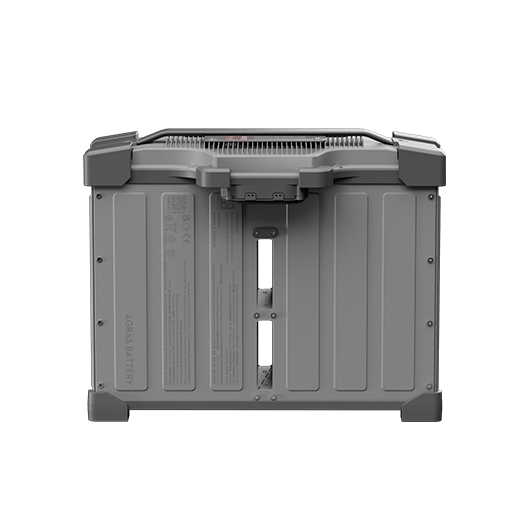 DB2160 / DB2212 Battery41 Ah intelligent flight battery; dual-battery configuration with matching models.Learn More ↗
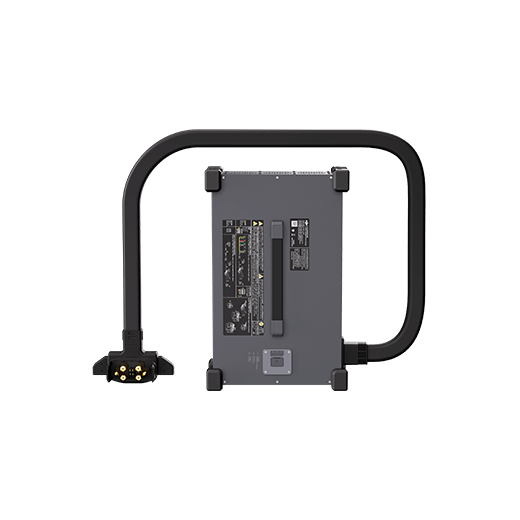 C12000 Power SupplyRated output of 12 kW three-phase and 3 kW single-phase.Learn More ↗
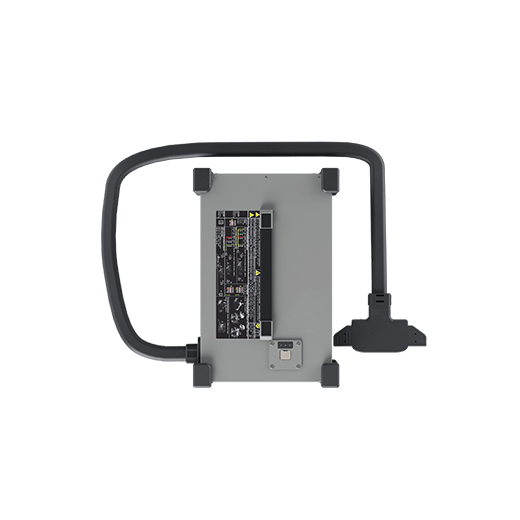 C10000 Power Supply9 kW with suitable infrastructure; DB2160 requires an adapter cable.Learn More ↗
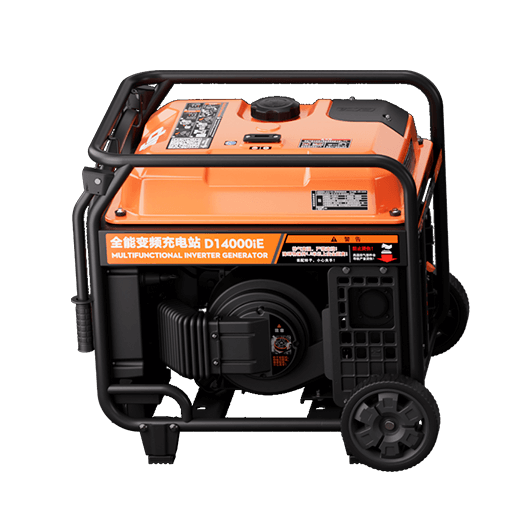 D14000iE GeneratorField power with 11.5 kW charging and a 1500 W AC output.Learn More ↗
- DJI RC Plus 2FC100-compatible controller with a 7-inch, 1400-nit display.Learn More ↗
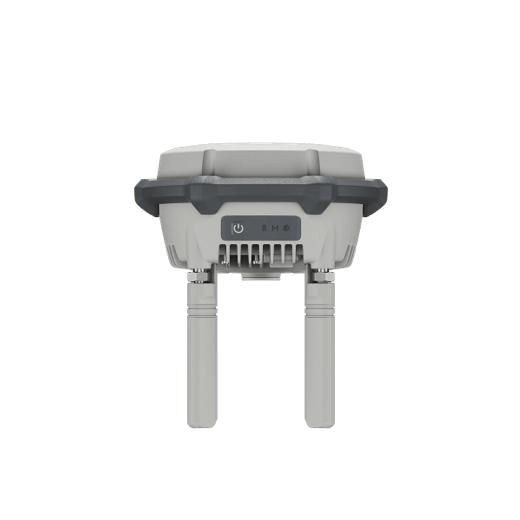 D-RTK 3Multifunctional station for relay connectivity and precise positioning.Explore Product ↗
Connectivity, Cooling and Other Accessories
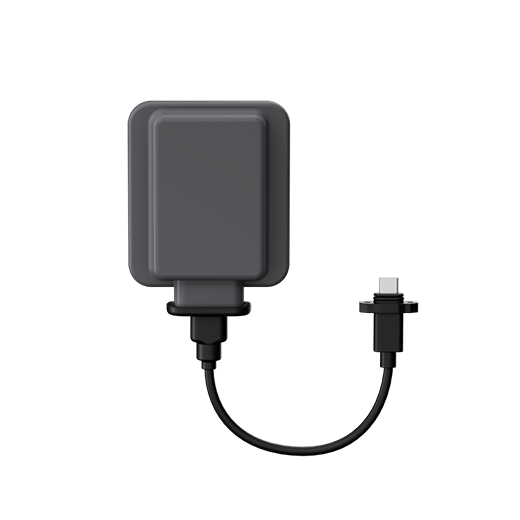 DJI Cellular Dongle Kit4G Enhanced Transmission in supported regions.Learn More ↗
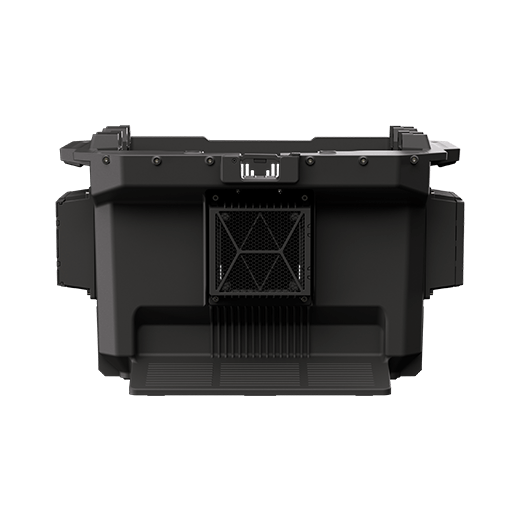 DB2160 Cooling UnitAir-cooled heat sink for the DB2160 battery.Learn More ↗
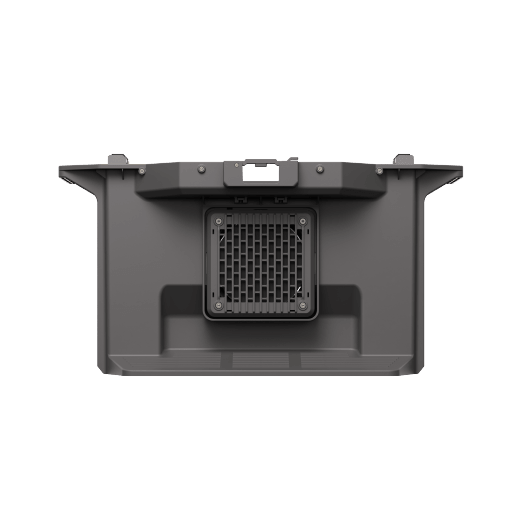 DC55 Cooling UnitAir cooling for a compatible battery and charging system.Learn More ↗
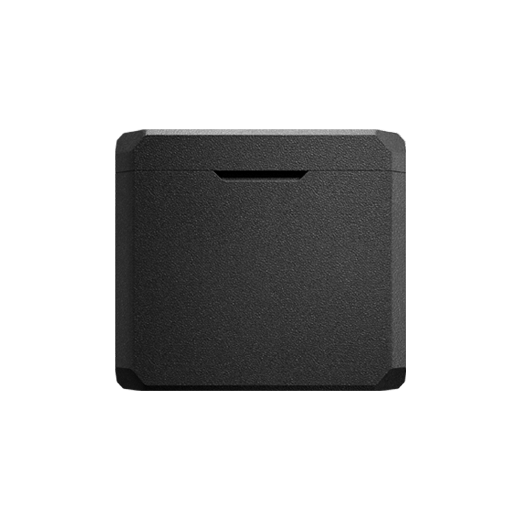 DJI Battery IncubatorBattery preparation in cold conditions; external power required.Learn More ↗
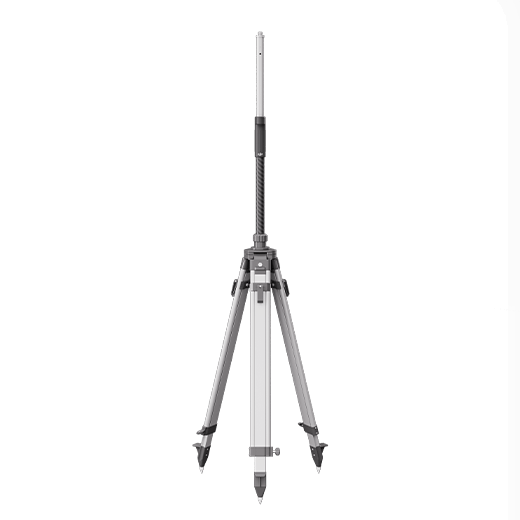 D-RTK 3 Survey Pole and TripodMounting kit for positioning the RTK station appropriately.Learn More ↗
 RTK DongleRTK point positioning with a compatible controller.Learn More ↗
Accessories are supplied separately depending on the selected package; battery and charging equipment options may vary by region. FC30 batteries, controller and winch system are not compatible with FC100.
FREQUENTLY ASKED QUESTIONS
The Right Choice for Your Mission.
Can it fly 12 km with an 85 kg payload?
These figures do not describe the same test conditions. 85 kg is the upper capacity definition for the dual-battery lifting configuration. 12 km was measured at a total takeoff weight of 149.9 kg. The total takeoff-weight limit stated for Türkiye and the equipment used also affect net payload.
What is the difference between the winch and lifting systems?
The winch system offers a 30 m cable, controlled extension and retraction, and an electric hook. The Dual-Battery Lifting System focuses on weighing, balance control and cable-cutting separation.
Can a single battery be used for normal missions?
DJI's specifications define single-battery mode as emergency use. Standard mission planning and redundancy requirements should be assessed using a dual-battery configuration.
When does the 9-minute charging time apply?
This time is measured from 30% to 95% with suitable high-power equipment, battery temperature and environmental conditions. The same time should not be expected from every charger on an ordinary single-phase outlet.
ATAY MÜHENDİSLİK
Let Us Plan Your Delivery Operation.
Define your FlyCart 100 configuration according to payload weight, mission distance, winch selection and power infrastructure.
APPLICATIONS
Reach More Locations.
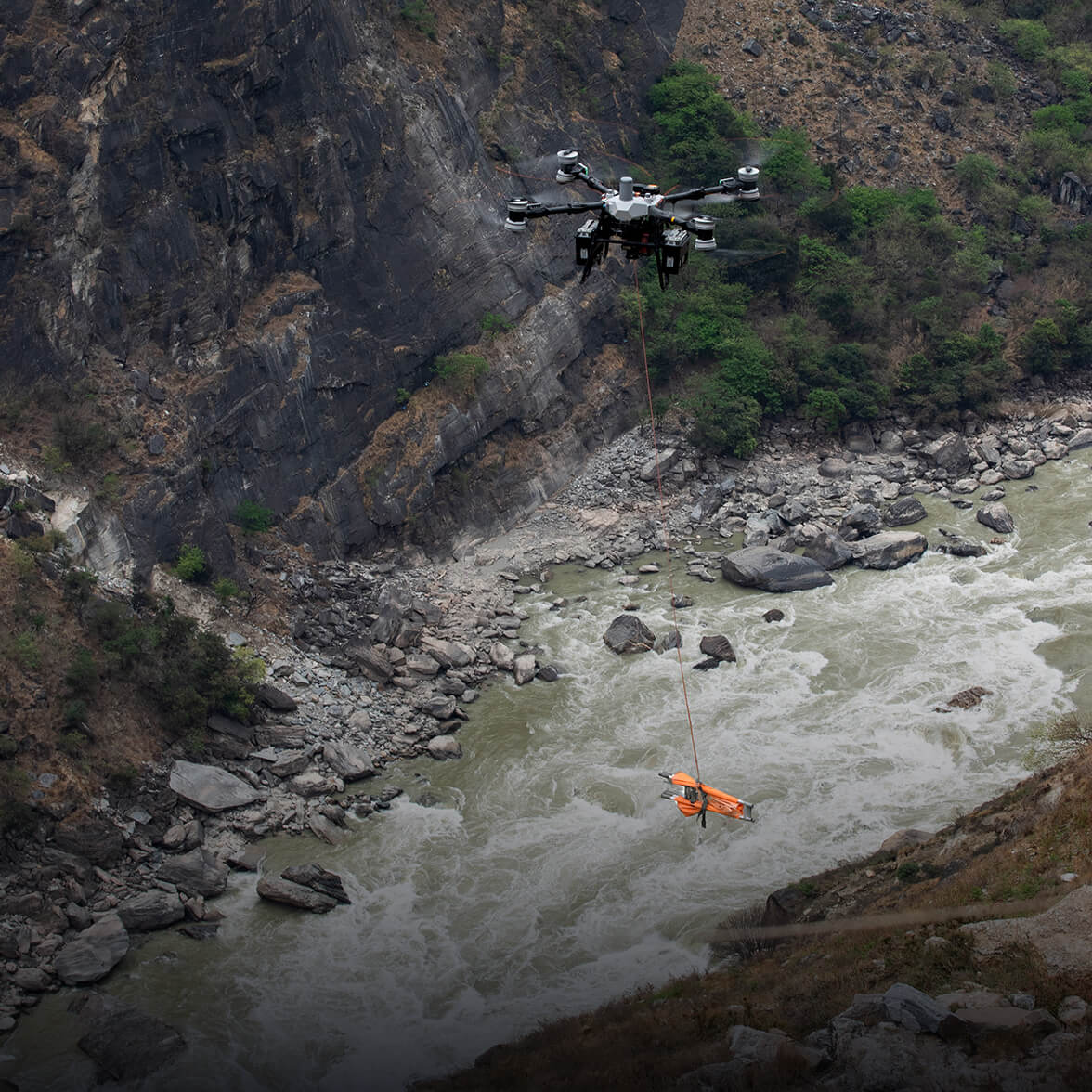
Emergency and Disaster Response
Support delivery of emergency aid and rescue supplies to areas with limited ground access.
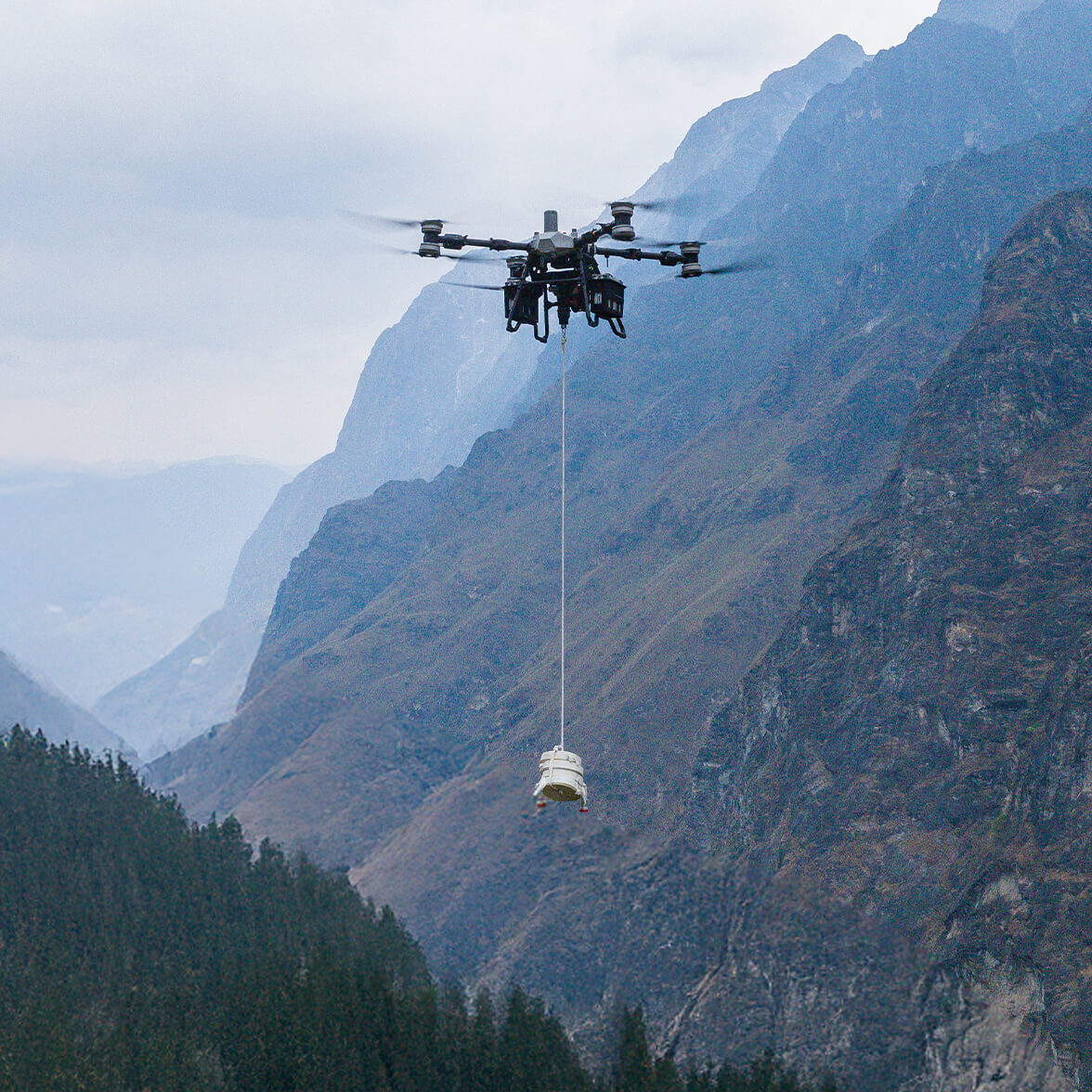
Firefighting
Transport equipment and supplies required by response teams to the operation site.
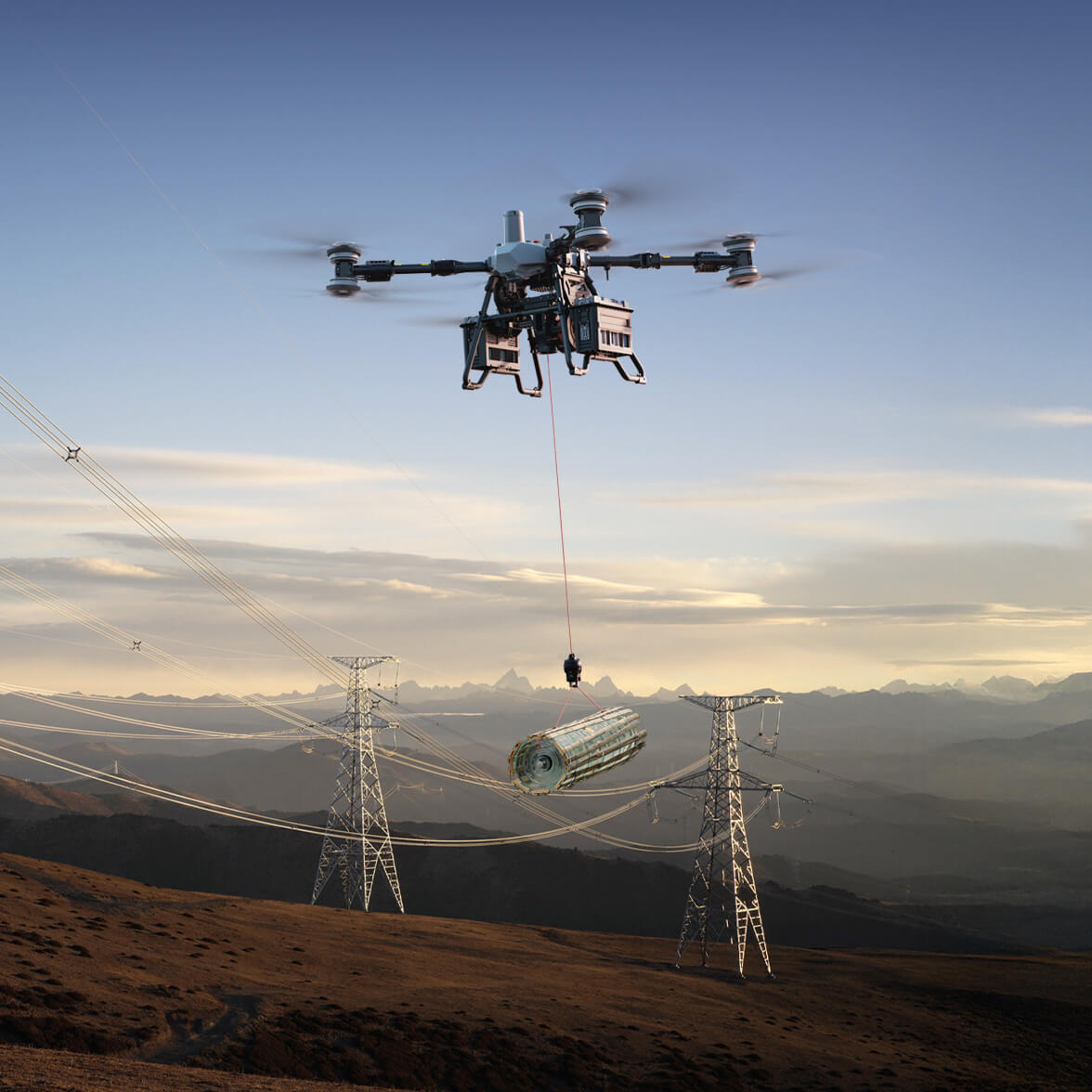
Energy and Infrastructure
Deliver maintenance tools, equipment and field supplies to work sites in rugged terrain.
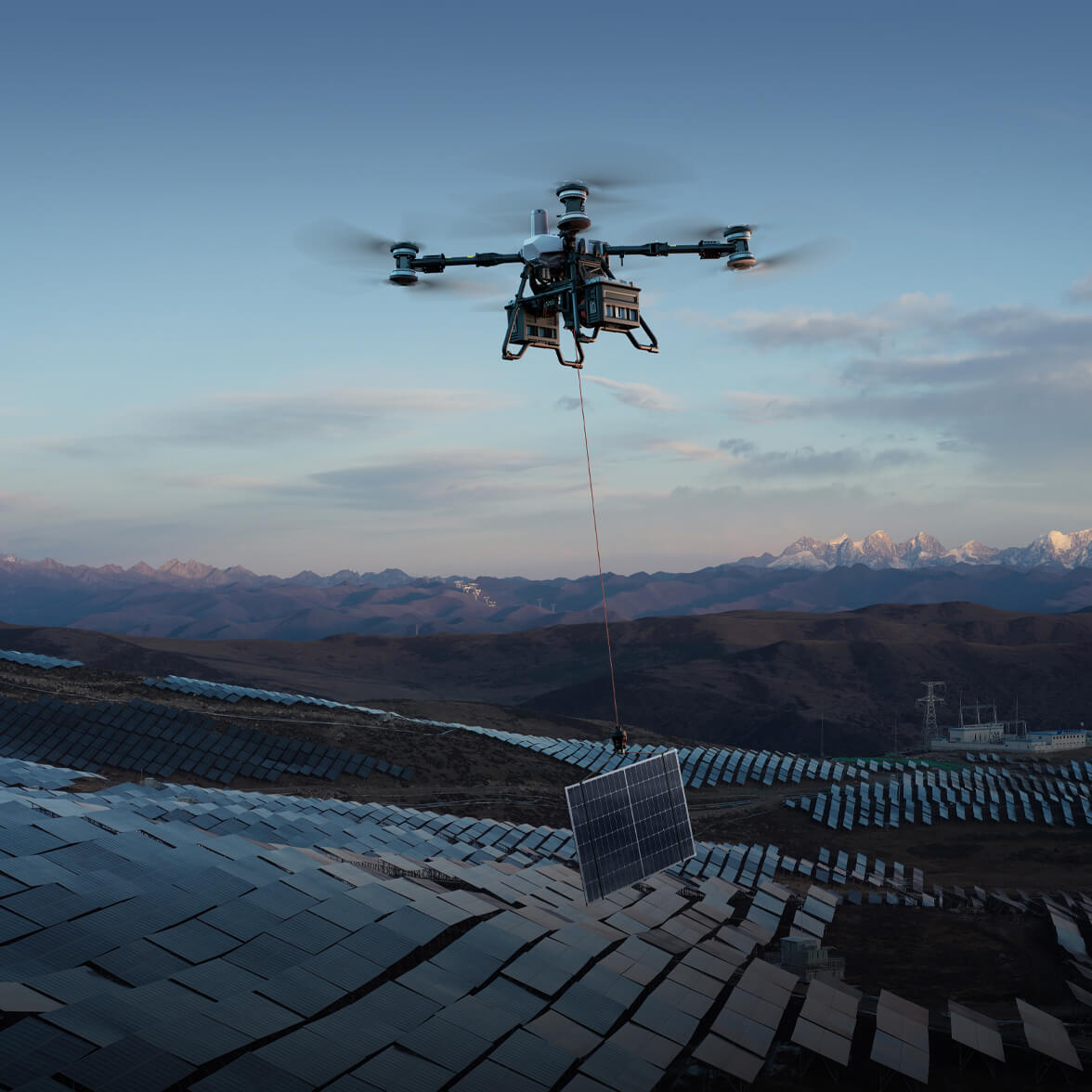
Construction
Deliver construction materials and equipment where terrain makes ground transport difficult.
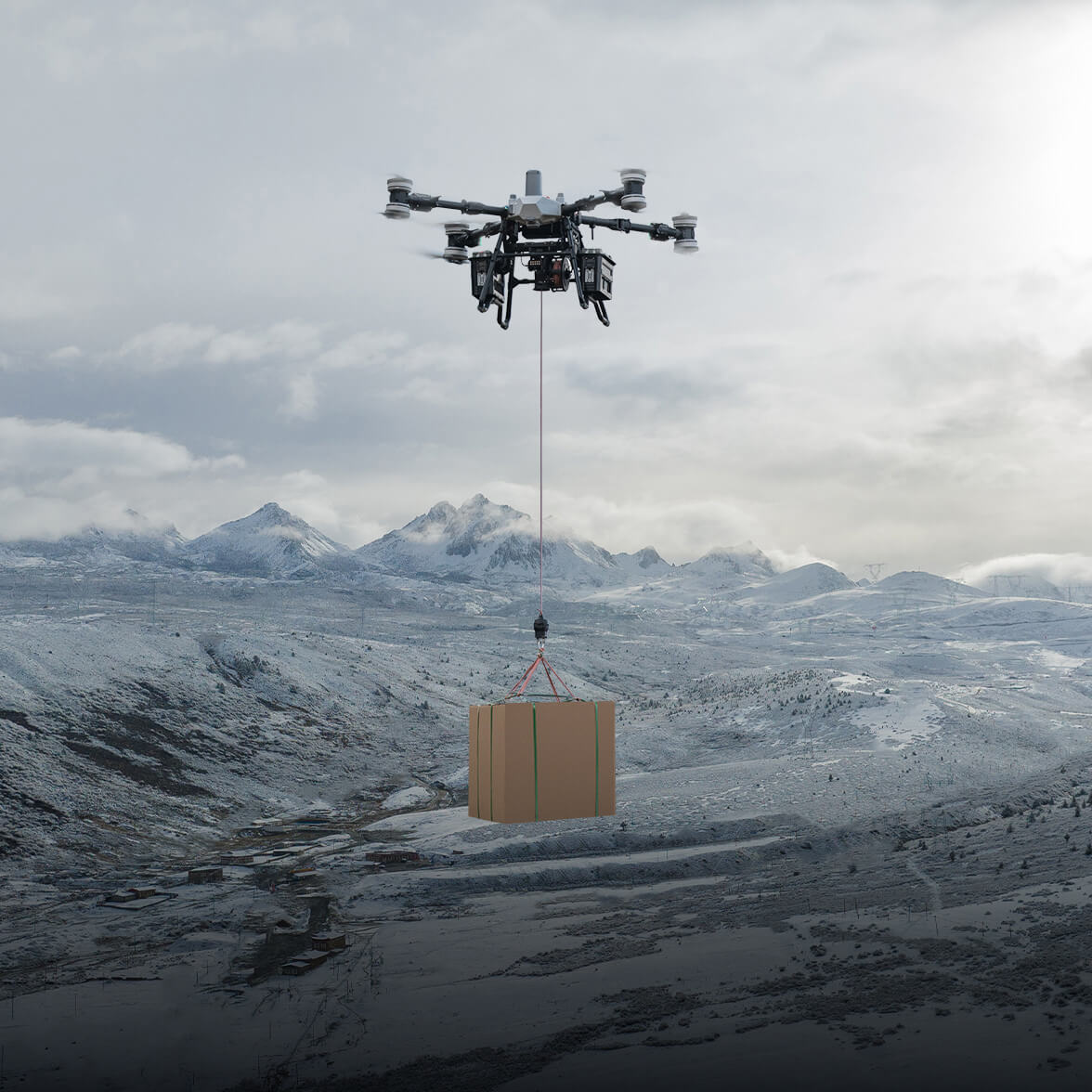
Logistics
Support repeated transport tasks between delivery locations with aerial logistics.
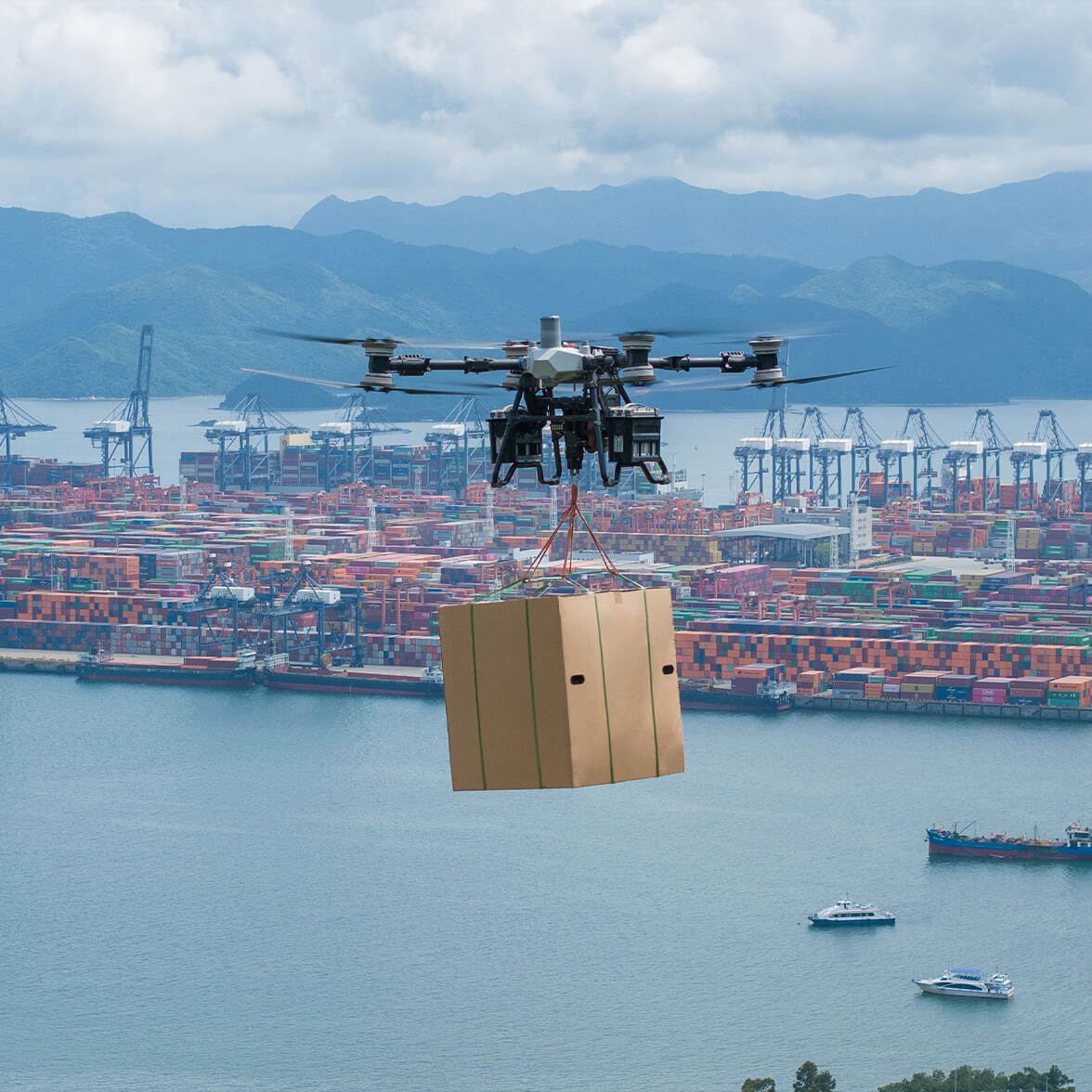
Over-Water Operations
Plan delivery of supplies to coastal, island and over-water work sites.