
DJI Dock 3
Remote Operations, 24/7.
Equipped with the high-performance Matrice 4D or Matrice 4TD aircraft, DJI Dock 3 enables remote operations around the clock. Support for both fixed and vehicle-mounted deployment makes it adaptable to different field requirements.
DJI FlightHub 2 lets you plan missions remotely, monitor live video and manage your operations from one platform.

Wide Operating Temperature Range
Preheating support for low-temperature operation.
Dock and Aircraft Protection
Dock 3: IP56; Matrice 4D / 4TD: IP55.
Maximum Flight Time
Matrice 4D / 4TD forward-flight test result.
Fast Charging
Battery charging from 15% to 95%.
Wind Resistance
During takeoff, landing and flight.
Flexible Deployment
Fixed and vehicle-mounted operation options.
DJI DOCK 3 ECOSYSTEM
Autonomous Operation Solutions.
Choose the dock and aircraft combination that suits your mission.
Dock 3 + Matrice 4D / 4TD
Remotely manage takeoff, missions, landing and charging with Dock 3. DJI FlightHub 2 lets you plan routes, monitor live video and access field data. Choose a fixed installation or vehicle-mounted deployment with suitable mounting equipment to meet your requirements.
The vehicle must remain stationary throughout vehicle-mounted missions. Dock 3 is designed for Matrice 4D and 4TD; it is not compatible with Matrice 4E / 4T. The dock, controller and software licences are supplied separately depending on the selected package.
DJI DOCK 3
Ready in the Field. Managed Remotely.
Dock 3 combines aircraft takeoff, landing, charging and mission cycles in a remotely managed system. Matrice 4D Series aircraft offer a camera configuration similar to the Matrice 4 Series, with longer flight time and enhanced protection.
ENVIRONMENTAL ADAPTABILITY
Designed for Challenging Weather.
Heat Resistance
DJI Dock 3 supports operation and charging in ambient temperatures up to 50 °C. Its climate-control system regulates conditions inside the dock.

Cold Resistance
After preheating, it can operate in cold environments down to -30 °C. The aircraft operating temperature range for Matrice 4D / 4TD is -20 °C to +50 °C.[1]
Wind Resistance
Matrice 4D and 4TD can take off and land in winds of 12 m/s. DJI measured flight times of up to 32 minutes in its test under these wind conditions.[13]
Durable and Reliable
A housing that protects electronic components and Dock 3's IP56 rating support operation in demanding field conditions.[2]
Low-Noise Anti-Ice Propellers
The Matrice 4D Series comes with low-noise anti-ice propellers as standard. The effectiveness of the propeller coating can change with use and wear.
Operating limits apply: dock operations support winds up to 12 m/s and rainfall up to 2 mm/hour. An ingress protection rating does not permit unrestricted flight in all weather conditions.
FLEXIBLE DEPLOYMENT, LONG-RANGE COMMUNICATION
Fixed Deployment
Positioned at an elevated location, the D-RTK 3 Relay Fixed Deployment Version helps reduce signal obstruction and offers more flexibility in choosing a Dock 3 site. Installation and commissioning can be performed on an Android phone using the DJI Enterprise app.
25 km / 12 km[5]
Maximum O4+ Enterprise transmission distance in an unobstructed, interference-free environment: 25 km under FCC; 12 km under CE, SRRC and MIC.
Near Tall Buildings
Positioning the relay at an elevated location helps reduce the effect of buildings, walls and similar obstacles on the connection.
Near Communication Towers
Select the installation site by assessing relay placement, interference and satellite signals together.
Availability of building-side and communication-tower deployment scenarios depends on the region and DJI Pilot 2 site evaluation results. The D-RTK 3 fixed relay version is different from the Multifunctional Station.
Additional Option: DJI O4 Ground Station
DJI O4 Ground Station offers an additional connection option for Dock 3. Gateway mode connects to FlightHub 2 through a network, while Relay mode supports video transmission through a suitably positioned station. Transmission distance and mode availability depend on regional standards and deployment configuration.[12]
VEHICLE-MOUNTED DEPLOYMENT
Take Operations Where They Are Needed.
Dock 3 is the first DJI Dock system to support vehicle-mounted deployment. Its structure, tested for vehicle vibration, and the Vehicle-Mounted Gimbal Mount offer a deployment option for temporary sites.
Cloud-Based Position Calibration
When the deployment site changes, the dock's position can be recalibrated remotely through FlightHub 2.
Two Docks on One Vehicle
With the appropriate configuration, two docks can take turns handling missions and support the team's workflow.
Alternating Missions with Two Aircraft
With compatible software and mission planning, two aircraft can operate in rotation to maintain video coverage of the site.
The vehicle remains stationary during flight. Vehicle-mounted deployment does not mean flying from a moving vehicle. The parking slope must be less than 3° during operations, and the dock's position must be calibrated.[6]
HIGH-PERFORMANCE AIRCRAFT
Matrice 4D or Matrice 4TD.
Both models are designed for Dock 3 and feature wide-angle, medium telephoto and telephoto cameras, plus a laser rangefinder. They can also operate independently of the dock when paired with DJI RC Plus 2 Enterprise.

Matrice 4D
Mapping and detailed surface inspection.
- 4/3 CMOS, 20 MP wide-angle camera
- Mechanical shutter; f/2.8–f/11
- 48 MP medium telephoto and 48 MP telephoto cameras
- Laser range measurements up to 1800 m

Matrice 4TD
Thermal inspection, emergency response and public safety.
- 1/1.3-inch CMOS, 48 MP wide-angle camera
- 48 MP medium telephoto and 48 MP telephoto cameras
- 640 × 512 native thermal resolution; UHR mode
- NIR auxiliary light and laser rangefinder
Dock 3 works exclusively with the Matrice 4D Series. The thermal camera and NIR auxiliary light are specific to Matrice 4TD; the 4/3 wide-angle camera with a mechanical shutter is specific to Matrice 4D.
EXTENDED FLIGHT TIME
For Longer Missions.
Under ideal test conditions, Matrice 4D and 4TD offer up to 54 minutes of forward flight and up to 47 minutes of hovering. A test with a 10 km operating radius achieved 18 minutes of work at the mission site.[4]
54 minutes
Maximum forward-flight time measured at a constant speed of 12 m/s.
47 minutes
Maximum hovering time measured in windless conditions.
15–95% in 27 minutes
Recharge the battery for the next mission with Dock 3.[3]
SENSING AND IMAGING
See the Detail. Sense the Surroundings.
Obstacle Sensing Module
The optional module combines rotating LiDAR with millimetre-wave radar. Under specified test conditions, it supports detection of obstacles as thin as 12 mm cables at speeds up to 15 m/s.[9]
Low-Light Imaging
Low-light vision sensors and Night Scene mode support imaging in dark environments. The 4TD adds IR-Cut and NIR auxiliary light features.
Thermal Imaging
Matrice 4TD's UHR mode produces 1280 × 1024 output. The sensor's native resolution is 640 × 512; temperature measurement is available by spot or area.[8]
Medium Telephoto and Telephoto Detail
70 mm and 168 mm equivalent lenses make inspections easier at different distances. Enhanced stabilisation helps maintain a steady frame at high zoom levels.
Precision Mapping
With a mechanical shutter, short photo intervals and suitable software, Matrice 4D offers oblique photography and terrain-following options.
Airborne Relay in Standalone Operation
An airborne relay can be established between two aircraft using RC Plus 2 Enterprise. This feature is not available when operating through Dock 3.
DJI FLIGHTHUB 2
Plan. Monitor. Assess.
The intelligent features of DJI FlightHub 2 simplify remote planning and monitoring of Dock 3 missions. Teams can access live video, mission records and field data on the same platform.
Automated Routes
Configure detection and notifications for specified events along mission routes, such as vehicles, boats or thermal anomalies.
Intelligent Change Detection
Assess changes by reviewing data from the same area captured at different times.
Smart Track
Monitor compatible targets with automatic zoom and tracking support.
Virtual Cockpit
Control flight direction and camera framing together with Mouselook and the enhanced remote-control interface.
Rapid Mission Launch
Reach a designated location faster with FlyTo tasks and route planning.
Data Transfer During Flight
Start cloud modelling and site assessment earlier with data transferred during flight.

Intelligent features vary with software version, compatible aircraft, network connectivity and the FlightHub 2 licence. Thermal anomaly detection requires Matrice 4TD.
OPEN ECOSYSTEM
Connects to Your Organisation's Workflow.
Flexible Software Deployment
FlightHub 2 can be evaluated for cloud or suitable on-premises deployment according to the organisation's needs. User permissions can be assigned to match operational responsibilities.
4G Enhanced Transmission
DJI Cellular Dongle 2 supplements the O4+ connection with a mobile network in supported regions. Private 4G deployment can also be considered with appropriate software infrastructure.[7]
Third-Party Integration
PSDK, Mobile SDK 5, Cloud API, FlightHub Sync and Terra API offer options for developing compatible payloads, applications, data-sharing and modelling workflows.
TECHNICAL SPECIFICATIONS
Every Detail, in One Place.
Expand the sections below to explore the specifications of Dock 3, Matrice 4D / 4TD, camera systems and accessories.
Dock 3 — General
| Product Name | DJI Dock 3 |
|---|---|
| Compatible Aircraft | DJI Matrice 4D and DJI Matrice 4TD. Matrice 4E / 4T cannot be used inside Dock 3. |
| Aircraft Capacity | 1 aircraft |
| Weight | 55 kg; excluding aircraft |
| Dimensions — Cover Open | 1760 × 745 × 485 mm (L × W × H) |
| Dimensions — Cover Closed | 640 × 745 × 770 mm (L × W × H) Dimensions include the RTK module, wind sensor and mounting base. |
| Input Voltage | 100–240 V AC; 50/60 Hz |
| Maximum Input Power | 800 W |
| Operating Temperature | -30 °C to +50 °C; preheating required at low temperatures. [1] |
| Ingress Protection Rating | IP56 [2] |
| Maximum Landing Wind Speed | 12 m/s |
| Operating Rainfall Limit | 2 mm/hour |
| Maximum Operating Altitude | 4500 m |
| RTK Satellite Signals | GPS: L1 C/A, L2, L5 BeiDou: B1I, B2I, B3I, B2a, B2b, B1C GLONASS: F1, F2 Galileo: E1, E5a, E5b, E6 QZSS: L1, L2, L5 |
| Vehicle-Mounted Operation | Compatible vehicle mounting and the Vehicle-Mounted Gimbal Mount are required. The vehicle and dock must remain stationary during flight. [6] |
Dock 3 — Charging and Climate Control
| Charging Output Voltage | 35 V DC |
|---|---|
| Fast Charging | 15% to 95% in 27 minutes; at an ambient temperature of 25 °C, with the aircraft powered off. [3] |
| Standard Charging | Approximately 37 minutes from 15% to 100%, under specified test conditions. |
| Battery Management | Charges the aircraft battery; does not automatically replace it. |
| Climate Control | Compressor-based air conditioning; 48 V DC operating voltage |
| Backup Battery | Lead-acid; 12 Ah; 12 V |
| Backup Battery Operating Time | More than 4 hours on a full charge at 25 °C. [10] |
| Power-Outage Limitations | The backup battery does not power aircraft charging, air conditioning, cover heating or wind-sensor heating. [10] |
Dock 3 — Connectivity, Sensors and Cameras
| Ethernet | 10/100/1000 Mbps auto-adaptive connection |
|---|---|
| 4G Connectivity | Via DJI Cellular Dongle 2; sold separately and subject to regional availability. [7] |
| Transmission Frequencies | 2.400–2.4835 GHz 5.150–5.250 GHz (CE: 5.170–5.250 GHz) 5.725–5.850 GHz |
| Antenna System | 9 built-in antennas; 2T4R; intelligent antenna switching |
| Transmitter Power — EIRP | 2.4 GHz: <33 dBm FCC; <20 dBm CE/SRRC/MIC 5.2 GHz: <23 dBm FCC/CE 5.8 GHz: <33 dBm FCC; <14 dBm CE; <30 dBm SRRC |
| Environmental Sensors | Wind-speed, rainfall, ambient-temperature and water-immersion sensors |
| Internal Sensors | Internal temperature and humidity |
| External Security Camera | 1920 × 1080; 151° field of view; white auxiliary light |
| Internal Security Camera | 1920 × 1080; 151° field of view; white auxiliary light |
| AC Port Lightning Protection | 20 kA nominal; EN 61643-11 Type 2 and IEC 61643-1 Class II |
| Ethernet Port Protection | 10 kA total; EN/IEC 61643-21 Category C |
| Deployment App | DJI Enterprise app; installation and commissioning with Android phones |
| Cloud and Integration | DJI FlightHub 2, FlightHub 2 On-Premises, FlightHub Sync and DJI Cloud API |
| Edge Computing Support | Data communication through an external network switch; additional computing hardware requires a separate power supply and network connection. |
Matrice 4D / 4TD — Aircraft
| Weight | 1850 g; including battery, propellers and microSD card, excluding additional payloads |
|---|---|
| Maximum Takeoff Weight | 2090 g |
| Dimensions | 377.7 × 416.2 × 212.5 mm; excluding propellers |
| Diagonal Wheelbase | 498.5 mm |
| Maximum Flight Time | 54 minutes; tested at a constant forward-flight speed of 12 m/s. [4] |
| Maximum Hovering Time | 47 minutes [4] |
| Maximum Operating Radius | 10 km; with 18 minutes of work at the mission site under specified conditions. [4] |
| Maximum Total Flight Distance | 43 km; tested at a constant speed of 16 m/s. [4] |
| Horizontal Speed in Normal Mode | Forward: 15 m/s; backward: 12 m/s; sideways: 10 m/s With obstacle sensing enabled. |
| Horizontal Speed in Sport Mode | Forward: 21 m/s; backward: 19 m/s; sideways: 15 m/s Sport mode is available in standalone operation with a remote controller. Only Normal mode is supported with Dock 3. |
| Maximum Ascent Speed | Normal mode: 6 m/s Sport mode: 10 m/s |
| Maximum Descent Speed | Normal mode: 6 m/s Sport mode: 8 m/s |
| Wind Resistance | 12 m/s during flight, takeoff and landing |
| Maximum Takeoff Altitude | Aircraft: 6500 m Dock 3 installation altitude: up to 4500 m |
| Maximum Pitch Angle | Normal mode: 25° Sport mode: 30° |
| Maximum Angular Velocity | 200°/s |
| Protection and Temperature | IP55; -20 °C to +50 °C [1][2] |
| Propellers | 1364F folding low-noise anti-ice propellers. The aircraft arms do not fold. |
| RTK and Beacon | Integrated aircraft RTK module and beacon |
| GNSS | GPS + BeiDou + Galileo + QZSS + GLONASS QZSS and GLONASS are supported only when the RTK module is enabled. |
| Hovering Accuracy | Vertical: ±0.1 m vision / ±0.5 m GNSS / ±0.1 m RTK Horizontal: ±0.3 m vision / ±0.5 m GNSS / ±0.1 m RTK In calm or light-wind conditions. |
Matrice 4D — Mapping Camera
| Wide-Angle Sensor | 4/3 CMOS; 20 MP effective pixels |
|---|---|
| Wide-Angle Lens | 24 mm equivalent; 84° field of view; f/2.8–f/11; focus: 1 m–∞ |
| Shutter | Mechanical: 2–1/2000 s Electronic: 2–1/8000 s |
| Maximum Wide-Angle Photo Size | 5280 × 3956 |
| Photo Format | Wide-angle: JPEG / DNG (RAW) Medium telephoto and telephoto: JPEG |
| Minimum Photo Interval | 0.5 s; in JPEG format |
| Night Scene ISO | Wide-angle: 100–204800 Medium telephoto / telephoto: 100–409600 |
| Panorama | 20 MP source image; 100 MP stitched image |
| Thermal Camera | Not available |
| Mapping Features | Wide-angle camera with a mechanical shutter; mapping without GCPs under suitable RTK and mission conditions. Oblique photography and terrain-following options depend on the software version. |
Matrice 4TD — Visual and Thermal Cameras
| Wide-Angle Sensor | 1/1.3-inch CMOS; 48 MP effective pixels |
|---|---|
| Wide-Angle Lens | 24 mm equivalent; 82° field of view; f/1.7; focus: 1 m–∞ |
| Electronic Shutter | 2–1/8000 s; no mechanical shutter |
| Maximum Wide-Angle Photo Size | 8064 × 6048 |
| Visual Photo Format | JPEG |
| Minimum Photo Interval | 0.7 s |
| Night Scene ISO | Wide-angle / medium telephoto: 100–409600 Telephoto: 100–819200 |
| Thermal Sensor | Uncooled VOx microbolometer; 640 × 512 native resolution; 12 μm pixel pitch |
| Thermal Lens | 53 mm equivalent; f/1.0; 45° diagonal field of view; focus: 5 m–∞ |
| Thermal Frame Rate | 30 Hz |
| Thermal Sensitivity | NETD ≤50 mK @ f/1.0 |
| Thermal Image Resolution | Normal: 640 × 512 UHR mode: 1280 × 1024; not the native sensor resolution. [8] |
| Temperature Measurement | Spot and area measurement |
| Temperature Measurement Range | High gain: -40 °C to +150 °C Low gain: 0 °C to +500 °C |
| Temperature Measurement Accuracy | High gain: ±2 °C or ±2%, whichever is greater Low gain: ±5 °C or ±3%, whichever is greater |
| Thermal File Formats | Photo: JPEG (8-bit), R-JPEG (16-bit) Video: MP4 |
| Thermal Digital Zoom | 28× |
| Thermal Wavelength | 8–14 μm |
| NIR Auxiliary Light | Approximately 100 m illumination distance; 5.7° ±0.3° field of view. Designed for the telephoto camera. [8] |
Shared Cameras, Laser and Gimbal
| Medium Telephoto Camera | 1/1.3-inch CMOS; 48 MP; 70 mm equivalent; f/2.8; 35° field of view; focus: 3 m–∞ |
|---|---|
| Telephoto Camera | 1/1.5-inch CMOS; 48 MP; 168 mm equivalent; f/2.8; 15° field of view; focus: 3 m–∞ |
| Medium Telephoto / Telephoto Photo Size | Medium telephoto: 8064 × 6048 Telephoto: 8192 × 6144 |
| Telephoto Zoom | 16× digital; up to 112× hybrid zoom |
| Lens Defogging | Supported by the wide-angle, medium telephoto and telephoto cameras on both models. |
| Normal ISO Range | 100–25600 |
| Visual Video | 4K: 3840 × 2160, 30 fps FHD: 1920 × 1080, 30 fps |
| Video Encoding | H.264 / H.265; CBR / VBR H.264: 60 Mbps; H.265: 40 Mbps |
| File System / Memory Card | exFAT; U3 / Class 10 / V30 or higher microSD |
| Laser Measurement Range | At normal incidence: 1800 m, 1 Hz, 20% reflectivity At oblique incidence (1:5): 600 m, 1 Hz Blind zone: 1 m |
| Laser Measurement Accuracy | 1–3 m: systematic error <0.3 m; random error <0.1 m @1σ Other distances: ±(0.2 + 0.0015D) m; D is the distance in metres. Rain and fog may affect performance. |
| Gimbal Stabilisation | 3-axis mechanical gimbal |
| Controllable Tilt Range | Matrice 4D: -90° to +35° Matrice 4TD: -90° to +90° On the 4TD, the aircraft body partially obstructs the wide-angle, medium telephoto and thermal cameras between +70° and +90°. |
| Gimbal Mechanical Range | 4D: tilt -140°/+50° 4TD: tilt -140°/+113° Both: roll -52°/+52°; pan -65°/+65° |
| Gimbal Speed and Vibration | Maximum tilt control speed: 100°/s Angular vibration: ±0.005° |
Sensing and Video Transmission
| Sensing System | Omnidirectional binocular vision system and a downward 3D infrared sensor |
|---|---|
| Forward Sensing | Measurement: 0.5–20 m; detection: 0.5–200 m Effective speed ≤15 m/s; 95° horizontal / 90° vertical field of view |
| Backward Sensing | 0.5–20 m; effective speed ≤12 m/s 95° horizontal / 90° vertical field of view |
| Lateral Sensing | 0.5–16 m; effective speed ≤10 m/s 90° horizontal / 90° vertical field of view |
| Upward / Downward Sensing | Upward: 0.5–20 m; downward: 0.5–16 m Effective speed ≤6 m/s |
| Sensing Environment | Forward, backward, upward and downward: clear surface patterns and >0.1 lux Left and right: >20% diffuse reflectivity and >6 lux |
| Optional Sensing Module | Rotating LiDAR and millimetre-wave radar. Supports detection of obstacles as thin as 12 mm cables at speeds up to 15 m/s under specified conditions. [9] |
| Video Transmission | DJI O4+ Enterprise |
| Live View Quality | Dock 3 + FlightHub 2: 540p / 720p / 1080p, 30 fps RC Plus 2 Enterprise: 720p / 1080p, 30 fps |
| Maximum Transmission Distance | FCC: 25 km CE / SRRC / MIC: 12 km In unobstructed, interference-free conditions. [5] |
| Aircraft Antennas | 8 antennas; 2T4R |
| Maximum Download Speed | 20 MB/s with Dock 3 or RC Plus 2 Enterprise; laboratory result |
| Latency | Approximately 100 ms between the aircraft and Dock 3; Dock-to-FlightHub 2 latency depends on the network and computer. |
| Airborne Relay in Standalone Operation | Supported between two aircraft using RC Plus 2 Enterprise controllers. Airborne relay is not supported when operating through Dock 3. |
Flight Battery and External Charging
| Battery Capacity | 6768 mAh |
|---|---|
| Voltage / Maximum Charging Voltage | 22.14 V / 25.5 V |
| Battery Type | Li-ion 6S; LiNiMnCoO₂ |
| Energy / Weight | 149.9 Wh / 640 g |
| Charging Cycles | 400; usage and battery-care conditions apply. |
| Battery Charging Temperature | +5 °C to +45 °C; self-heating charging support at low temperatures |
| Discharge / Charge Rate | Discharge: 4C Maximum charge: 1.8C |
| 240 W Charging Hub | Charges 3 batteries sequentially. Standard mode: 100%; Ready-to-Fly mode: 90% |
| External Charging Times | With the 240 W charging hub: approximately 40 minutes from 15% to 100%, or approximately 30 minutes from 15% to 90%. |
| 240 W Power Adapter | 100–240 V AC, 50/60 Hz, 3 A Up to 240 W total; USB-C up to 65 W USB-C up to 45 W when both ports are used together |
| Charging Hub Operating Temperature | +5 °C to +40 °C |
Standalone Operation — DJI RC Plus 2 Enterprise
| Display | 7.02-inch; 1920 × 1200; 1400 nits; 60 fps |
|---|---|
| Internal Battery | 6500 mAh @7.2 V; 46.8 Wh |
| External Battery | Optional WB37; 4920 mAh @7.6 V |
| Operating Time | Internal battery: 3.8 hours Additional time provided by the external battery: 3.2 hours |
| Charging | USB-C PD; up to 65 W Approximately 2 hours for the internal battery, or internal and external batteries together, with the controller powered off |
| Memory and Storage | 8 GB RAM; 128 GB internal storage; microSD expansion |
| Connectivity | HDMI 1.4, USB-C OTG, USB-A 2.0, SD 3.0; Wi-Fi 6 and Bluetooth 5.2 |
| Operating Temperature | -20 °C to +50 °C |
| Dimensions / Weight | 268 × 163 × 94.5 mm; 1.15 kg, excluding external battery |
| Software | Android 11; DJI Pilot 2 |
| Application | For standalone operation of Matrice 4D / 4TD without the dock. Also compatible with Matrice 4E / 4T; current firmware is required. |
AL1, AS1 and Deployment Compatibility
| DJI AL1 Spotlight | Approximately 4.3 lux at 100 m; 32 W; IP55 Continuous and strobe lighting; wide-field-of-view lighting mode. [11] |
|---|---|
| DJI AS1 Speaker | 114 dB at 1 m; approximately 300 m broadcast distance; 15 W; IP55 Live broadcasting, record-and-broadcast, file playback and text-to-speech. [11] |
| AS1 Text-to-Speech | English and Mandarin Chinese are supported; Turkish text-to-speech is not supported. |
| D-RTK 3 Relay Fixed Deployment Version | For use with Dock 3 and the Matrice 4D Series in relay station mode only. This is a different version from the D-RTK 3 Multifunctional Station offered by Atay. |
| Multi-Dock Missions | One aircraft can operate with multiple docks. Multi-dock missions are not supported when the D-RTK 3 Relay Fixed Deployment Version is connected. |
| DJI O4 Ground Station | Gateway and Relay mode support with Dock 3. Gateway provides a network connection to FlightHub 2. Regional availability and software requirements apply. [12] |
| Vehicle Mounting | Requires the Vehicle-Mounted Gimbal Mount and suitable securing hardware. Operating slope <3°; the vehicle remains stationary during missions. [6] |
| Integration | PSDK, E-Port / E-Port Lite, Mobile SDK 5, DJI Cloud API, FlightHub Sync and DJI Terra API. Features depend on software, licensing and integration. |
- Dock 3 has a specified operating temperature range of -30 °C to +50 °C; preheating is required at low temperatures. Matrice 4D / 4TD aircraft have a specified operating temperature range of -20 °C to +50 °C.
- Dock 3 is rated IP56; Matrice 4D / 4TD are rated IP55. Ratings were measured under controlled laboratory conditions; protection may diminish with wear and tear.
- The 27-minute charging time was measured from 15% to 95% at an ambient temperature of 25 °C, with the aircraft powered off. Automatic battery replacement is not available.
- 54 minutes: constant forward flight at 12 m/s, 20 m above sea level, in windless conditions, without taking photos, with obstacle avoidance disabled and battery discharged from 100% to 0%. 47-minute hovering time: the same windless conditions, from 100% to 0%. 43 km total distance: constant speed of 16 m/s. 10 km radius and 18 minutes of work: approximately 25 °C, windless conditions, approximately 15 m/s outbound and return speed, and a 15% safe battery level. These values do not guarantee actual mission duration.
- Maximum one-way O4+ Enterprise transmission distance: FCC 25 km; CE/SRRC/MIC 12 km. Measured in unobstructed, interference-free conditions; this is not the round-trip flight range. Frequency and relay-service availability depend on the region.
- Vehicle-mounted deployment requires suitable mounting hardware, secure installation and position calibration. The vehicle and dock must not move during flight, and the parking slope must be less than 3°. Two docks on the same vehicle are added to the same project for safe mission coordination.
- DJI Cellular Dongle 2 and related services are supplied separately. 4G service is not available in all countries or regions; a mobile network and suitable software are required.
- The thermal camera, IR-Cut and NIR auxiliary light are available only on Matrice 4TD. The 1280 × 1024 UHR output differs from the 640 × 512 native sensor resolution. Night Scene mode must be disabled for UHR thermal video. The approximately 100 m NIR illumination figure comes from the manufacturer's test with the telephoto camera.
- The Obstacle Sensing Module is sold separately; the 12 mm cable and 15 m/s figures apply under specified test conditions. Rain, snow, fog, dust, moving obstacles and blind spots affect performance. Radar availability depends on the region and software version.
- Backup battery operation of more than 4 hours was measured with a fully charged battery at 25 °C. During a power outage, aircraft charging, air conditioning, cover heating and wind-sensor heating are unavailable.
- AL1 / AS1 figures were measured under laboratory conditions at approximately 25 °C. Installing accessories can affect flight time and obstacle sensing. Upward obstacle sensing is disabled when AL1 is installed; obstacle avoidance is disabled when the spotlight is on. AS1 text-to-speech is limited to English and Mandarin Chinese.
- DJI O4 Ground Station is sold separately. Gateway and Relay options with Dock 3 require compatible firmware and regional frequency support. DJI's 30 km figure applies only under specified IC conditions, in Dock 3 + Matrice 4D Gateway or RC Plus 2 Enterprise + Matrice 4D/4TD Relay configurations. It is not a general Dock 3 range specification for Türkiye. Building-side and communication-tower site selection depends on regional satellite services and DJI Pilot 2 evaluation results.
- The 32-minute flight test in 12 m/s winds used a new battery, with at least 95% charge at takeoff and at least 15% at landing. These conditions differ from the 54-minute forward-flight test in windless conditions.
COMPATIBLE EQUIPMENT AND ACCESSORIES
Complete Your Setup.
Explore equipment for your connectivity, imaging and power requirements.
 D-RTK 3Explore the D-RTK 3 offered by Atay. The Relay version is considered separately for fixed Dock 3 installations.Explore Product ↗
 DJI Cellular Dongle 24G connectivity and enhanced video transmission in supported regions.Explore Product ↗
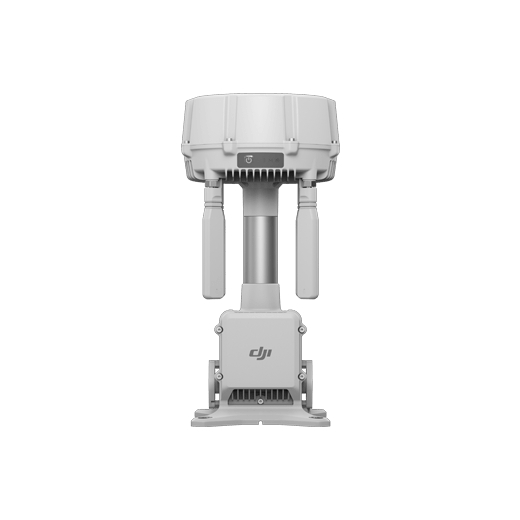 DJI O4 Ground StationGateway and Relay mode options for Dock 3, subject to regional support.Learn More ↗
 Obstacle Sensing ModuleLiDAR and millimetre-wave radar support for the Matrice 4D Series.Learn More ↗
 DJI AL1 SpotlightGimbal-following illumination with continuous, strobe and wide-angle modes.Learn More ↗
 DJI AS1 SpeakerLive audio, recordings and file broadcasting. Text-to-speech: English / Mandarin.Learn More ↗
Controller, Charging and Other Equipment
 Combined AL1 + AS1 SetupCombines lighting and audio broadcasting in one setup.Learn More ↗
 DJI RC Plus 2 EnterpriseStandalone Matrice 4D / 4TD operation; 1400-nit display.Learn More ↗
 DJI 240 W Power AdapterPower adapter for a compatible charging hub and field equipment.Learn More ↗
 Matrice 4D 240 W Charging HubCharges three batteries sequentially; 100% and 90% modes.Learn More ↗
 DJI Power 1000A portable power option for suitable field conditions.Learn More ↗
Vehicle-mounted deployment requires separate assessment of the Vehicle-Mounted Gimbal Mount and suitable vehicle securing hardware.
Accessories and licences are supplied separately depending on the selected package. Check Matrice 4D/4TD and Dock 3 firmware versions, mounting requirements and regional availability together.
The Right Dock 3 Setup for Your Project.
Let us help you plan the dock location, select the Matrice 4D or 4TD, and design the connectivity infrastructure and FlightHub 2 workflow for your operation.
Applications
Adapts to different field requirements, from recurring missions to emergency response.
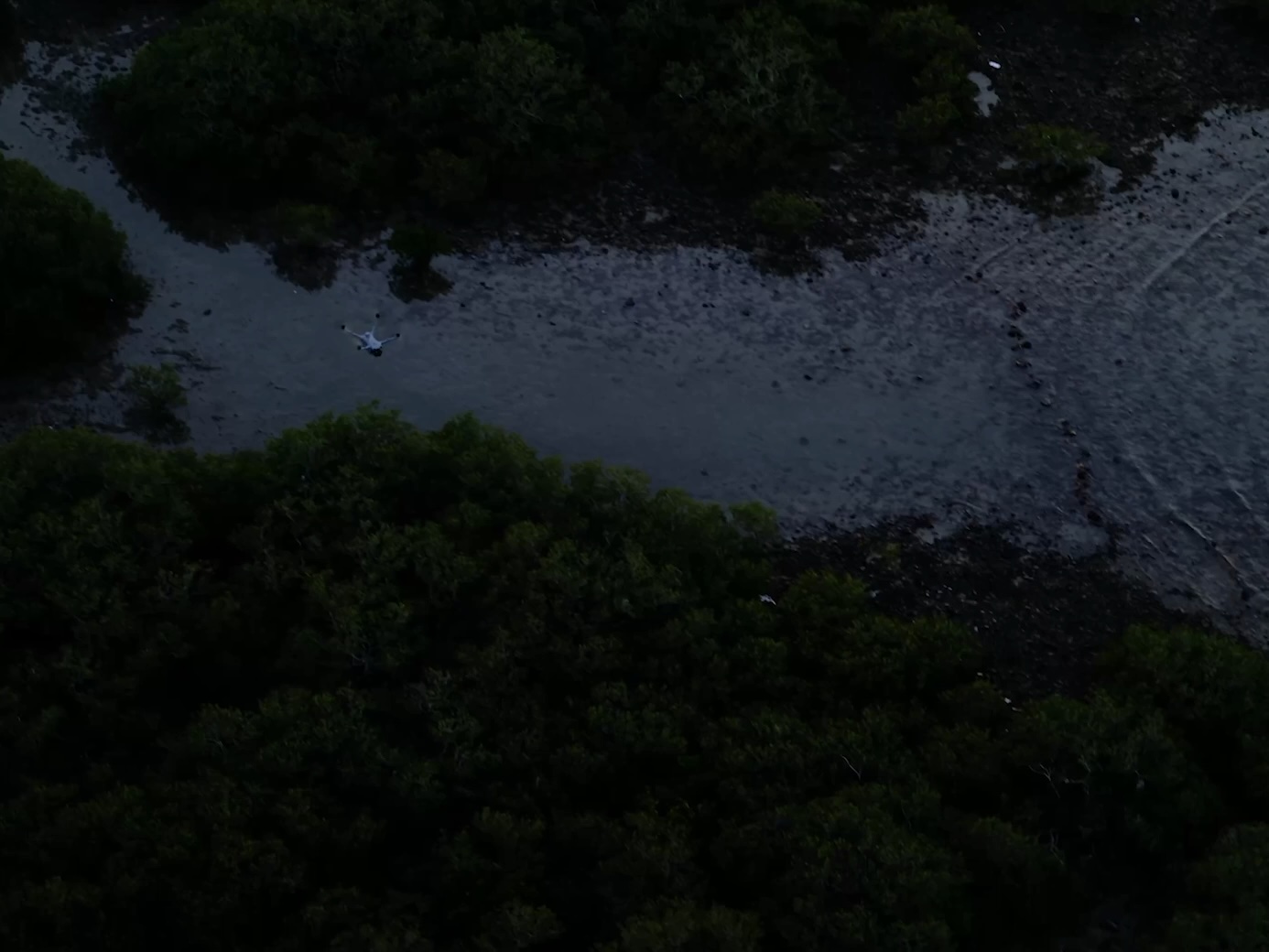
Public Safety and Disaster Management
Provide scheduled or on-demand aerial information for emergency response, search and rescue, and incident assessment.
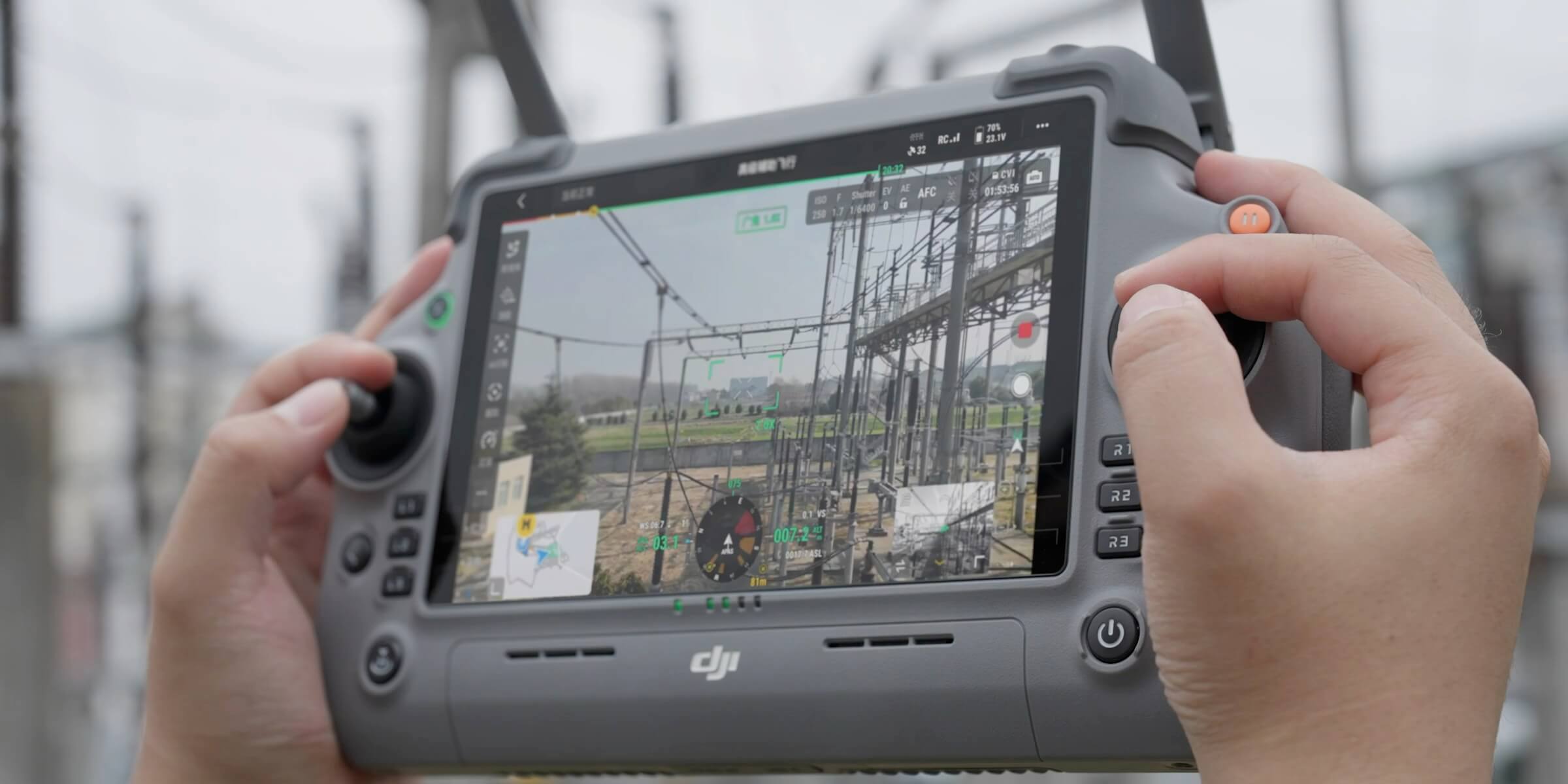
Energy and Infrastructure Inspection
Inspect power lines, substations, solar and wind farms, pipelines, roads and bridges on a regular basis.
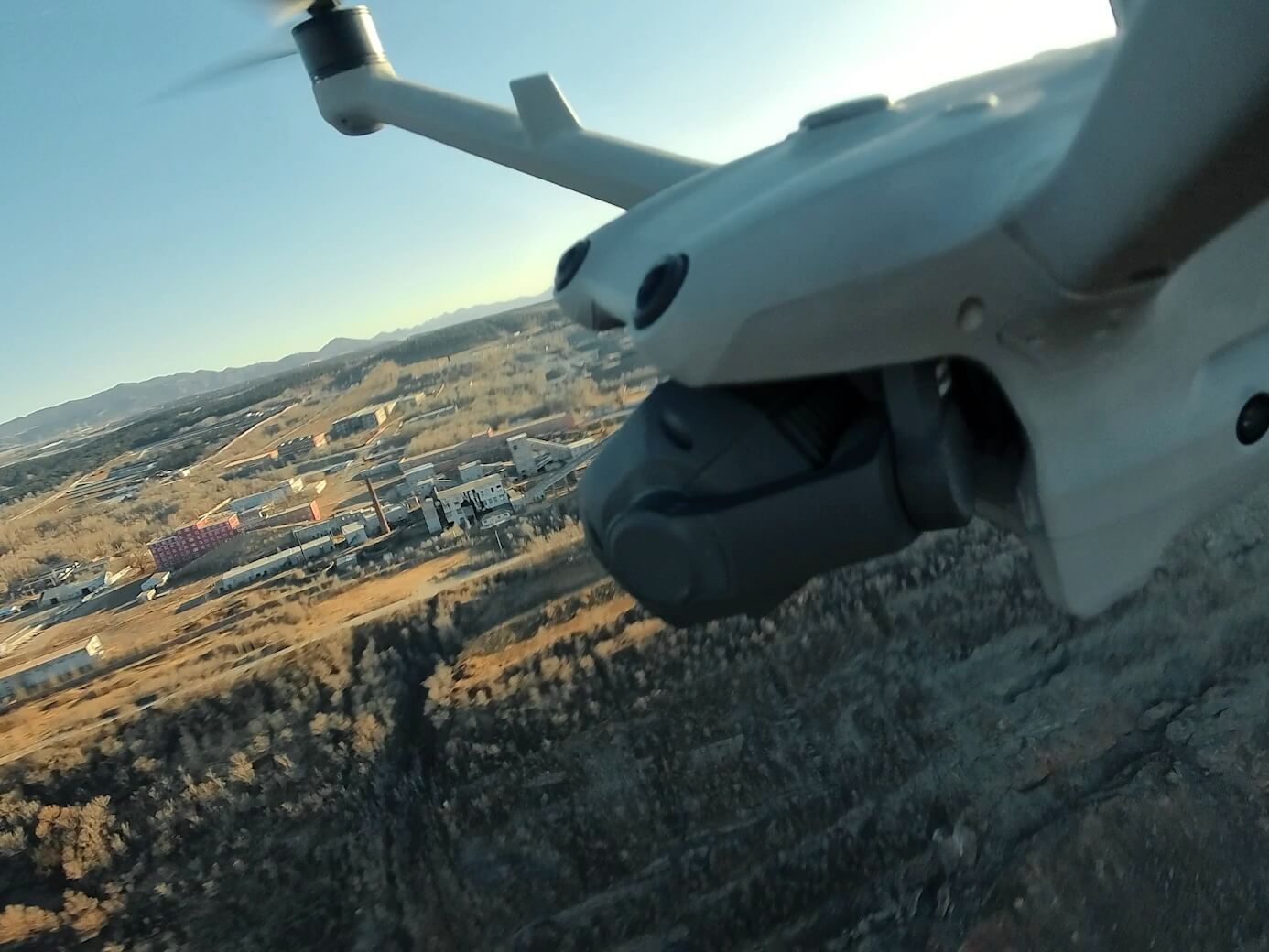
Mapping and Site Monitoring
Collect data with Matrice 4D for mapping and change monitoring across land, construction sites, mines, water infrastructure and coastal areas.